Skip to content
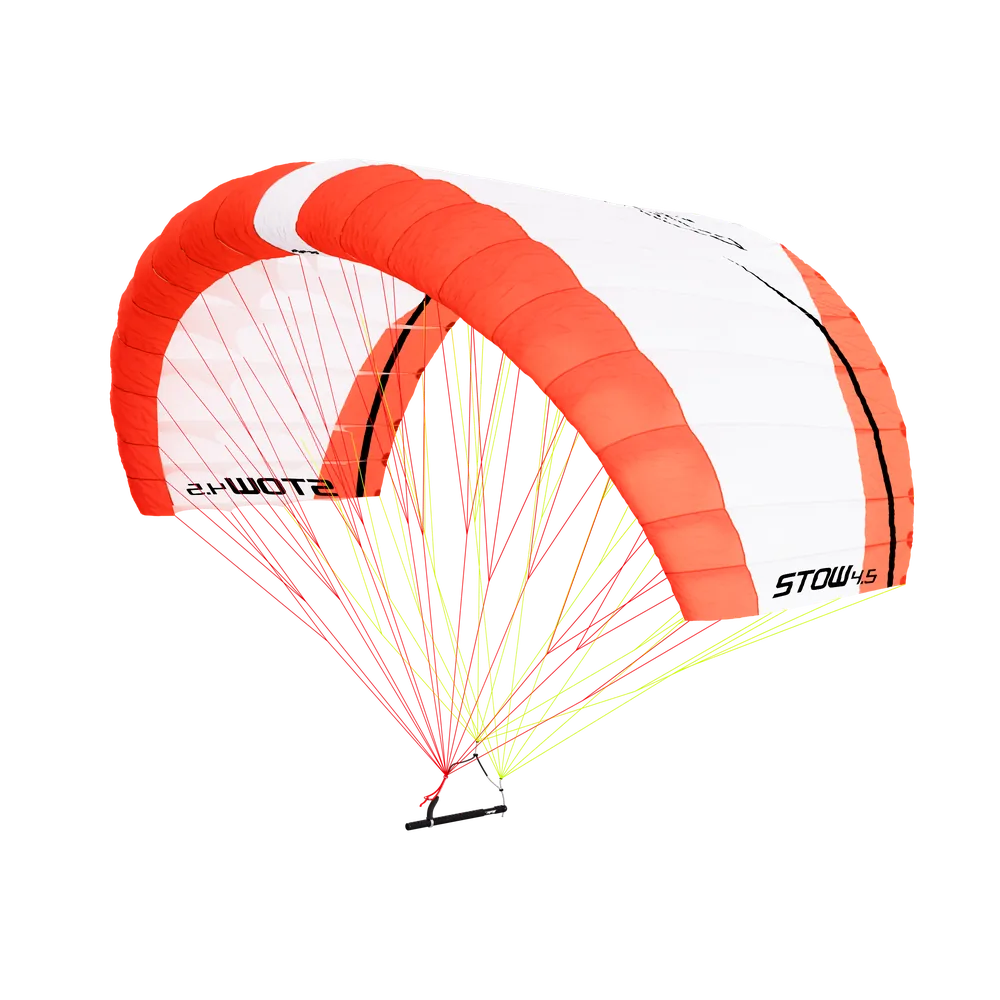
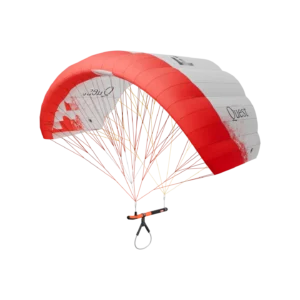
AFS Stow parawing as a cutout render on a transparent background: red-orange and white canopy, fluorescent yellow lines
The Stow, view 1 of the render on the AFS page · © AFS Foil
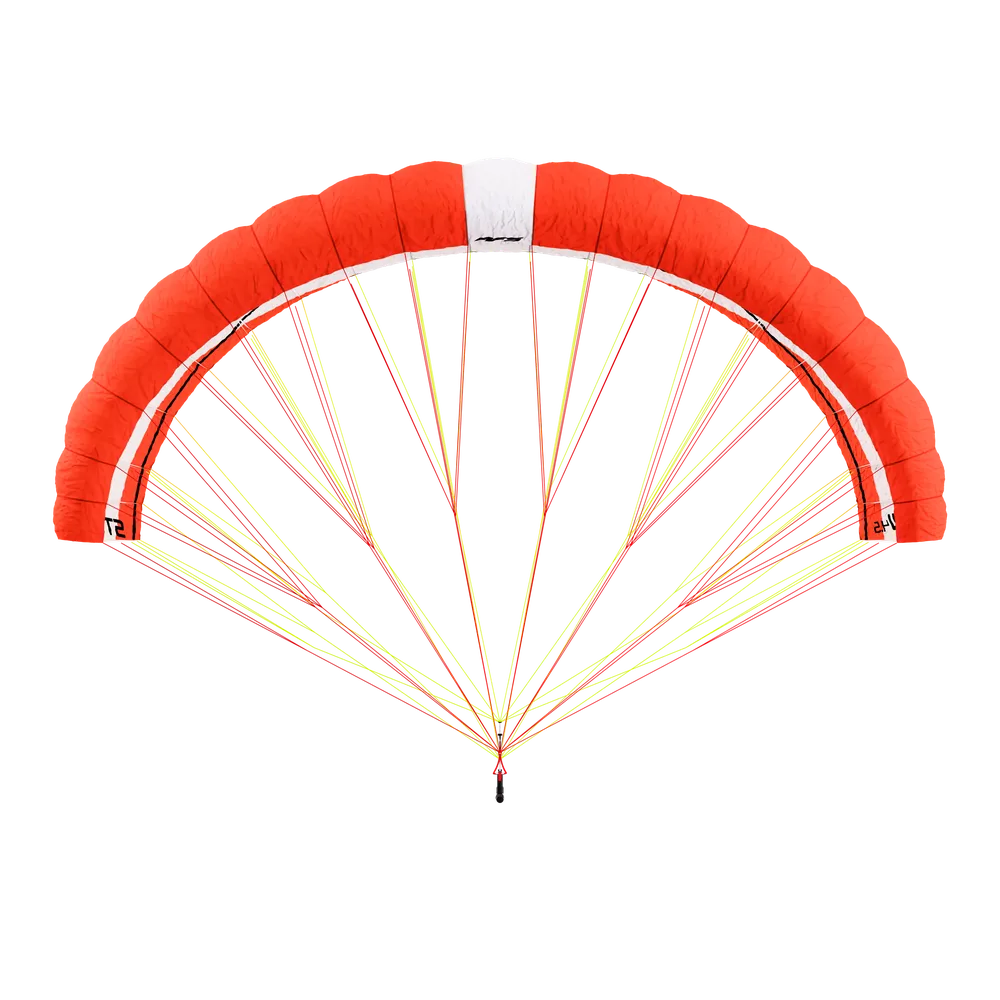
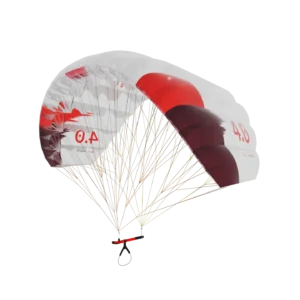
AFS Stow parawing, second view of the manufacturer’s studio render: red-orange and white canopy and fluorescent yellow lines, no rider
The Stow, view 2 of the render on the AFS page · © AFS Foil
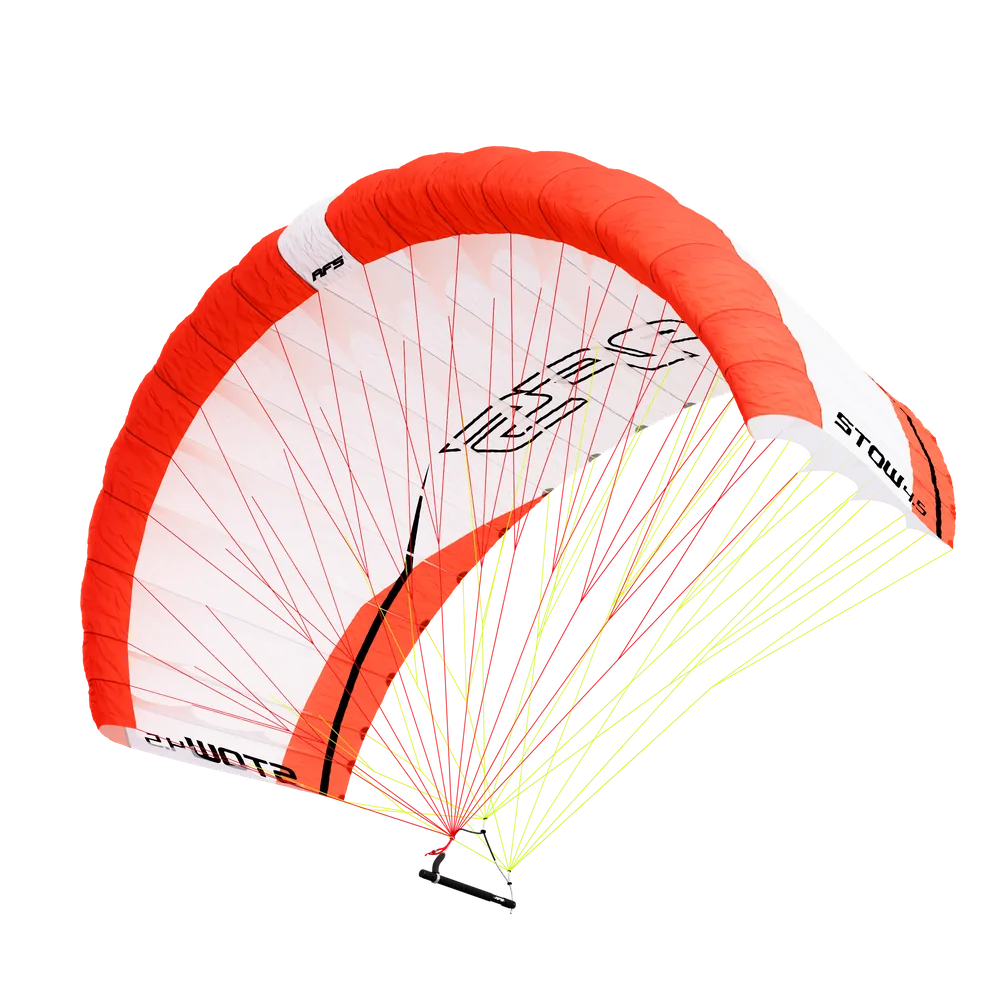
AFS Stow parawing, third view of the manufacturer’s studio render: red-orange and white canopy and fluorescent yellow lines
The Stow, view 3 of the render on the AFS page · © AFS Foil
AFS Foil

AFS Foil Stow parawing test

  • Riding styleParawing, downwind
  • Sizes2.5 to 4.5 m²
  • Bar33.5 cm
  • Wind15 to 30 knots
  • Year

Verdict in brief

Foiling Magazine and MACkite find it easy and stable. It isn’t the fastest upwind, MACkite says so too, and AFS gives the wind range for only one size out of three. For me, a good first parawing if you mostly want to enjoy the ride down, not a competition tool.

Only one independent test (Foiling Magazine, 3.5 m², August 2026); the rest comes from the manufacturer and a shop. I haven’t tried it myself.

For you if

  • You’re new to parawing: Foiling Magazine calls it a parawing that’s easy to enjoy from the first sessions, MACkite a wing that follows a rider from the first flight to an advanced level
  • You’re starting in light wind: in 3.5 m², Foiling Magazine takes off at 15-18 knots with an 800 cm² foil without forcing it, and AFS claims 15 to 30 knots for this size
  • You string together downwind runs: arch bridle, spliced folding lines and an A-line split that falls into your hand (MACkite) to stow and relaunch quickly

Not for you if

  • You’re after the best upwind ability: MACkite puts it at the “respectable” level and says it doesn’t rival the fastest parawings, the best ones upwind
  • You want to choose your size from a complete table: AFS gives the wind range only for the 3.5 m² (15 to 30 knots)
  • You want a highly specialized tool: AFS places it between performance and accessibility, and Foiling Magazine itself says it isn’t the most radical parawing on the market

Have you ridden this model? Leave the first review

What we know about this model

Our method
  • Specificationschecked early November 2026
  • 1 test publishedFoiling Magazine, AFS Stow test (August 31, 2026): Stow 3.5 m² tried from 15-18 to over 20 knots, 60 L board, 800 to 675 cm² foil
  • Rider reviewsgive yours, and it will appear here

Sizes, weight, wingspan and bar length

Sizes, weight, wingspan, wind range and bar length
SizeWing weightWingspanWindBar length
2.5 m²0.48 kg189 cmn/a33,5 cm
3.5 m²0.57 kg224 cm15 – 30 knots33,5 cm
4.5 m²0.64 kg254 cmn/a33,5 cm

n/a: not disclosed. These values haven’t been published by the brand yet. We complete the page as soon as the brand publishes them.

Wind range given for the 3.5 m² only; wing weight, with no detail on the bar.

More details on these figures

Wind range: AFS gives it only for the 3.5 m² (15 to 30 knots), with no reference rider weight; empty column (n/a) for the 2.5 and 4.5 m². Your weight, your foil and your board shift these reference points. The wind range of the 2.5 and 4.5 m² is not published by AFS (n/a).

Strong points, weak points

Strong points

  • Lightness: 0.48 kg in 2.5 m², 0.57 in 3.5, 0.64 in 4.5; Foiling Magazine describes a wing that stays in the air without demanding effort
  • Power from the bottom of the range: Foiling Magazine takes off in 3.5 m² at a little over 15 knots, MACkite speaks of good lift at low speed
  • Power Loop: by shortening the A/B pre-lines, it softens the pull at launch; in flight, it widens the top of the range (AFS), and Foiling Magazine confirms the wing calms down without losing upwind ability
  • Well-thought-out stowing: arch bridle with no central element on the bar, spliced folding lines, colored bridle markers to find the orientation again
  • A useful detail: the drainage holes at the wingtips, which Foiling Magazine loved, so the wing doesn’t get heavy when it touches the water

Weak points

  • Wind range published for a single size: 15 to 30 knots for the 3.5 m²; nothing for the 2.5 and 4.5 m²
  • Decent rather than brilliant upwind ability: MACkite says it bluntly, with a “respectable” top end against the fastest wings
  • The bridles sometimes wrap around the brake handle, according to MACkite: you get used to it, but it’s something you have to do
  • Only one independent test, on the 3.5 m² alone; neither source tried the 2.5 m²
  • Bag supplied, but a simple one: MACkite judges it needs improvement for full-time downwind use

The flaw to know about. My main complaint: AFS publishes the wind range only for the 3.5 m² (15 to 30 knots). For the 2.5 and 4.5 m², you choose blind, or you go through the advice of an AFS expert, which the brand offers free by phone. At a time when competitors give the whole table, it’s a gap.

Specifications

11 specs, sources at the bottom of the page

Program (manufacturer)
Parawing “between performance and accessibility”: power from the bottom of the range to launch easily, upwind speed for demanding riders, simple stowing to string together runs
Aspect ratio
2.72, identical across the three sizes: same upwind angle, same stowing behavior, same feel under the feet; you only change size according to the wind
Sizes
2.5 · 3.5 · 4.5 m²
Wind range
15 to 30 knots for the 3.5 m² (value shown on the page); n/a for the 2.5 and 4.5 m². Reference rider: n/a
Weight
0.48 kg (2.5 m²), 0.57 kg (3.5 m²), 0.64 kg (4.5 m²), “Wing weight”: AFS does not say whether the bar and lines are counted. An AFS team rider cites a 32 g canopy
Wingspan
1.89 m (2.5 m²), 2.24 m (3.5 m²), 2.54 m (4.5 m²)
Canopy and lines
Techfiber STA15 canopy; 31 g/m² Techfiber + Dyneema construction; sheathed HMPE lines of 1.1 and 0.9 mm, 1.6 mm Dyneema SK76 (values given for the 3.5 m²)
Bar
33.5 cm carbon bar, same length on all sizes; harness loop mentioned on the page
Range extension system
Power Loop: shortens the A/B pre-lines to lower the pull at launch, activates in flight to widen the top of the range, with or without a harness
Comes with
The Stow in the size you choose, a carry bag, a harness line, a repair kit; 2-year warranty, 14-day returns
Inflation pressure
Not applicable: single-skin parawing, no tube

What the published tests say

1 test published, checked early November 2026

Foiling Magazine, AFS Stow test (test center)

Stow 3.5 m² tried from 15-18 to over 20 knots, with a 60 L board and an 800 then 675 cm² foil. Strong points: very light in the hand and stable overhead, surprising power from the bottom of the range (it takes off at a little over 15 knots without forcing), progressive pull, a wing that stays in the air effortlessly and stays stable even when unloaded, less tiring sessions. The Power Loop softens the pull without losing upwind ability and widens the top of the range; the drainage holes at the wingtips are praised. The only regret: no harness line supplied at the time of the test. Conclusion: not the most radical parawing on the market, but a parawing that removes the usual frustrations, easy to enjoy. Translated from English.

Read the test
Articles from shops and schools (1), not counted as tests

These articles come from sites that sell or rent gear: they are cited for information and kept separate from published tests.

MACkite, video trial “AFS Stow Parawing Review: Value and Performance” (Tucker Vantol)checked on 09/11/2026

Shop rider who rode the Stow 4.5 m² for several hours and sessions. He puts it among the parawings that mix value, performance and ease without being the best performing or the easiest. Good lift at low speed, wide angle-of-attack adjustment range, decent upwind ability with a “respectable” top end but not rivaling the fastest parawings; stable wing, not nervous, which can go with a rider from the first flight to an advanced level. Stowing praised (A-line split that falls into the hand). Brake handle on the A lines (useful in gusts), but the bridles sometimes wrap around it; bag rather basic. Price judged 20 to 30% below other wings. Translated from English.

Riders’ reviews

No reviews

No reviews yet.

Nobody has reviewed this gear yet. Do you use it? Help other riders of your weight — 2 minutes.

Leave your review (2 minutes)

Three screens: you, the gear, your review. Your email will never be published; it is only used to confirm that the review comes from a real person.

1/3 You

Only used to confirm your review and to let you know if it is rejected. Never displayed, never resold.

Your weight *

10 kg ranges only, so that other riders of your build can relate. No exact weight is recorded.

Your level *

Beginner: I’m still taking lessons. Intermediate: I ride on my own. Advanced: transitions and jumps. Expert: freestyle, wave or competition.

Your riding

Optional. If checked, your review stays published with the label “Gear received or tied to a brand” and doesn’t count toward the average rating.

You must be at least 15 to post a review (“Your data” article of the policy).

2/3 Your gear and how you use it
Wind range actually used (knots)
How long you’ve been using it *
Number of sessions (optional)
Rate each criterion (at least 3) *
Low-wind power
Stability / gusts
Steering & weight in hand
Handles & lines
Finish & durability

1 = very poor, 5 = excellent. Leave blank any criterion you couldn’t judge.

Do you recommend it? *
3/3 Your review

140 characters minimum — How it handles, its power and stability, what disappointed you, who you’d recommend it to.

Rider reviews: confirmed email address, no compensation. “Brand-linked” and “loaned / received” reviews are labeled and excluded from the average. Each review shows its publication date, the date of the experience and, if it was edited, its update date. A review is published or rejected within 7 days at most; if it is rejected, you receive the reason by email and you can correct it. You can complete or delete your review at any time from the email address used to submit it. How do reviews work?

Alternatives to compare

North Ranger 2026

Tests find it worse upwind and heavier (1.35 kg in 4.2 m² according to Parawingfoil, versus 0.64 kg for the Stow 4.5 m²), weights not necessarily comparable.

F-One Quest 2026

Entry-level parawing from F-One, 0.57 kg in 4.5 m² versus 0.64 kg for the Stow 4.5 m² (the Stow page doesn’t say what its weight includes).

Frequently asked questions

Is there a test of the AFS Stow?

Yes, one independent test: Foiling Magazine tried the 3.5 m² from 15-18 to over 20 knots (August 31, 2026) and finds it light, powerful from the bottom of the range and easy. MACkite, a shop, published a trial of the 4.5 m² (July 24, 2026): good value-for-performance, decent rather than brilliant upwind ability.

Which AFS Stow size should you choose?

AFS offers the 2.5, 3.5 and 4.5 m² and gives the wind range only for the 3.5 m²: 15 to 30 knots. Foiling Magazine took off in 3.5 m² at a little over 15 knots with an 800 cm² foil. For the other two sizes, the brand offers expert advice by phone.

What comes with the AFS Stow?

The parawing in the size you choose, a carry bag, a harness line and a repair kit, with a 33.5 cm carbon bar; 2-year warranty. Foiling Magazine and MACkite regretted the lack of a harness line in their trials: the AFS page of November 9, 2026 lists it in the box.

How much does the AFS Stow weigh?

0.48 kg in 2.5 m², 0.57 kg in 3.5 m² and 0.64 kg in 4.5 m² according to the AFS page, which says “Wing weight” without saying whether the bar and lines count.

Method and limitations of this page

This page brings together the technical specs, tests from the press and blogs, and rider feedback found on the web, without rewriting any of it. When WindUnity has ridden the gear itself, the page says so with the “WindUnity test” badge.

Rider reviews are published as is, with their date. Reviews tied to a brand or based on loaned gear are labeled and excluded from the average.

What’s still missing

  • Wind range: given for the 3.5 m² alone (15 to 30 knots), nothing for the 2.5 and 4.5 m²; reference rider not specified
  • Weight: AFS says “Wing weight” without saying whether the bar and lines are counted
  • Harness line: Foiling Magazine and MACkite regretted its absence; the AFS page of November 9, 2026 lists it in the box contents, with no date for the change
  • Release date: AFS gives none; first trials published in July and August 2026
  • Only one independent test, on the 3.5 m²; no forum feedback found
  • Reviews posted on WindUnity: none

Sources

Data collected early November 2026

Shops : MACkite

Press and specialist sites : The Foiling Magazine

Others : AFS Foil, North

See the details of the 4 sources

Shops

  1. MACkite, AFS Stow trial (EN)
    24/07/2026

Press and specialist sites

  1. Foiling Magazine, AFS Stow test
    31/08/2026

Others

  1. North, official Ranger page (EN)