Skip to content
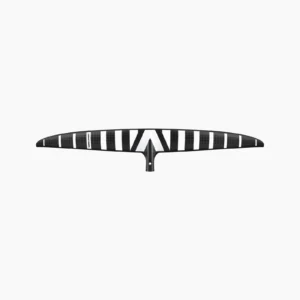
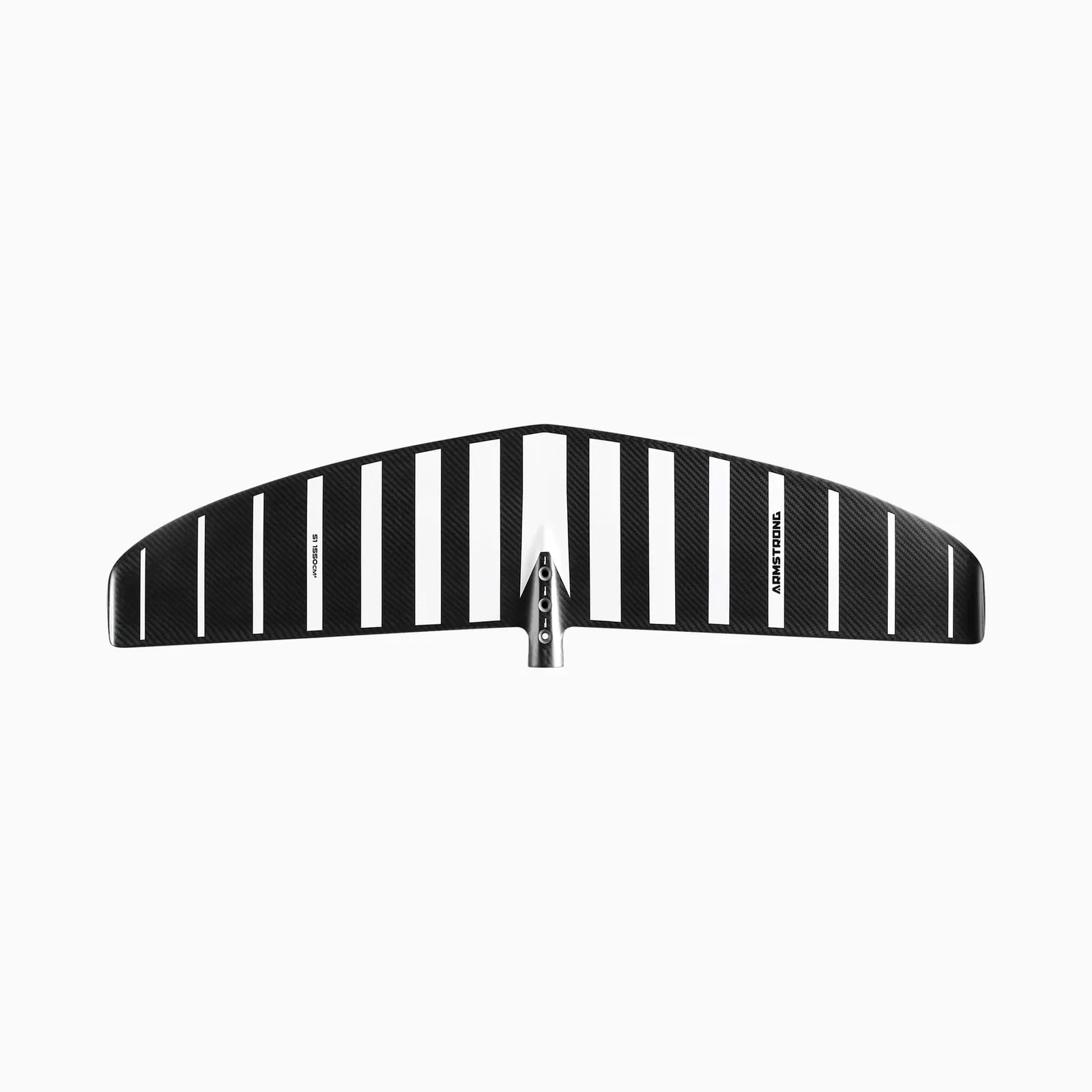
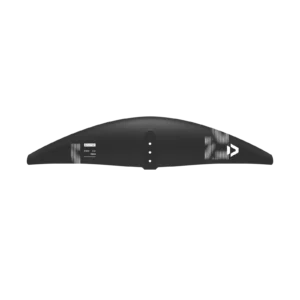
Armstrong S1 carbon front wing, flat top view, on a white background
S1 front wing, size 1550 cm² · © Armstrong
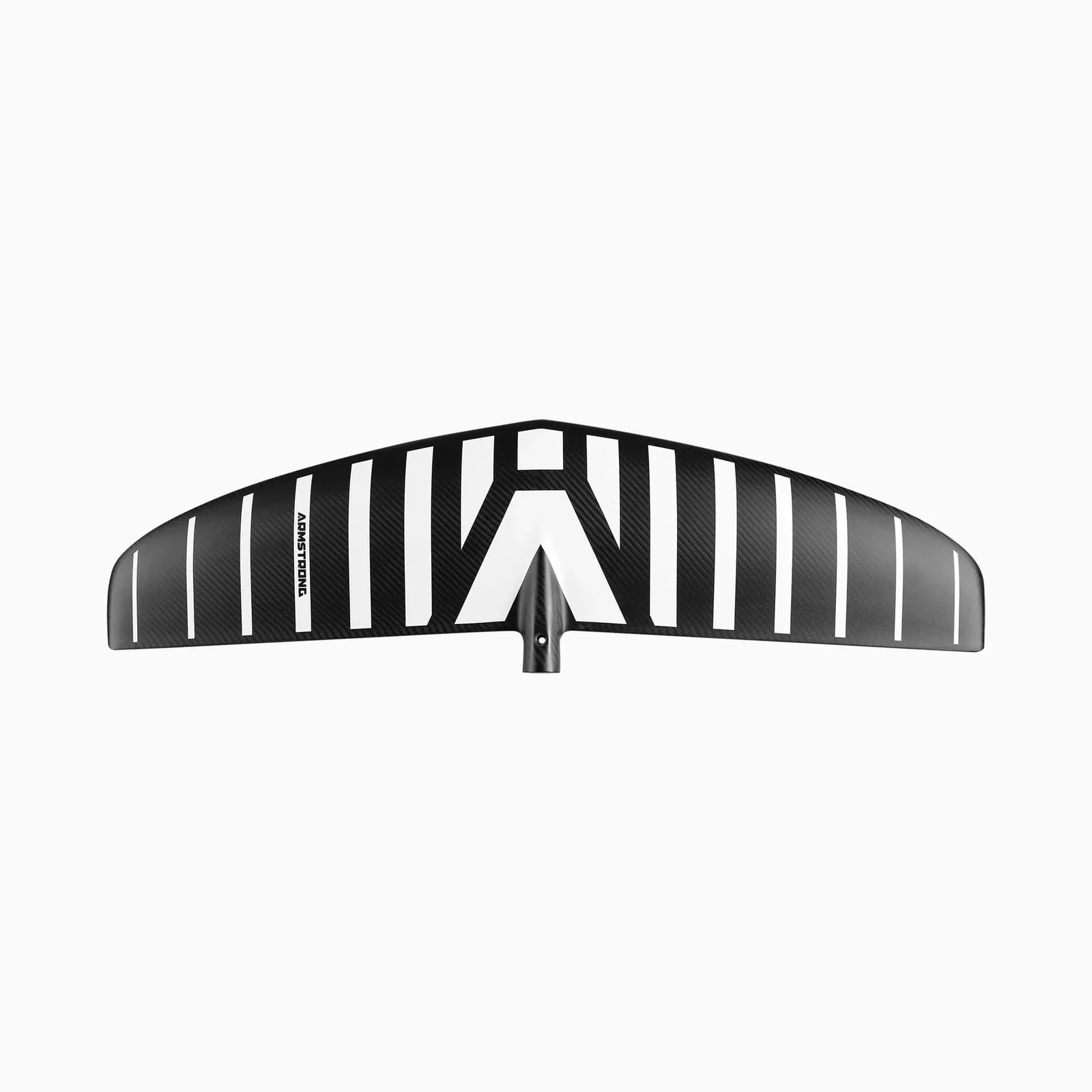
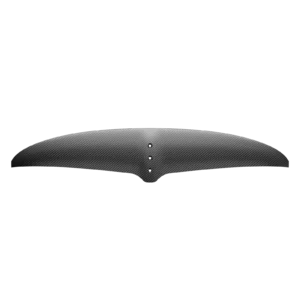
Armstrong S1 carbon front wing, second top view, on a white background
S1 front wing, size 1550 cm² · © Armstrong
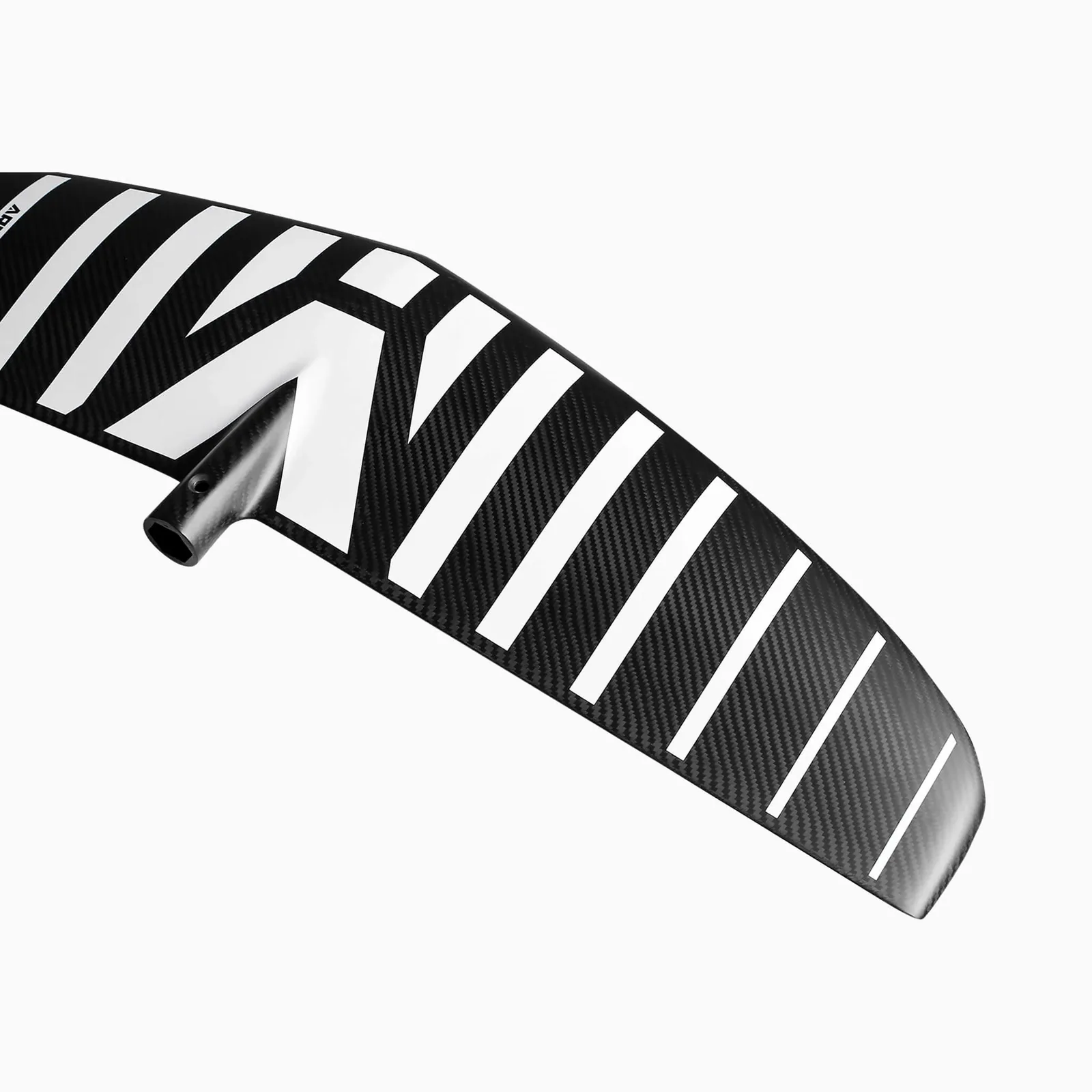
Armstrong S1 carbon front wing, perspective view, on a white background
S1 front wing, size 1550 cm² · © Armstrong
Armstrong

Armstrong S1 Front Foil test

  • Riding styleLearning and progression: wing, surf foil, relaxed freeride; boat foil
  • Front wings1250 to 2450 cm²
  • Wingspan84.8 to 105.4 cm
  • Year2024

Verdict in brief

A learning front wing with an aspect ratio of 4.8 to 5.7, in four sizes (1250 to 2450 cm²), the cheapest in the Armstrong range. I recommend it if you’re starting out in wing or surf foil: the only published test (SURF Magazin, size 1550) finds a soft takeoff, flight that is easy to hold and rare stalls. I wouldn’t take it for speed: the same test writes that other Armstrong wings have much more potential.

For you if

  • You’re starting out in wing or surf foil and want a wing that forgives: SURF Magazin finds it soft at takeoff and easy to keep stable
  • You’re already standing but stuck on footswaps or your first gybes: a REAL buyer landed his on the 1550, another is working on his
  • You’re learning behind a boat: Waterskiers World tried the 1250, 1550 and 1850 and keeps the 1850 for learning

Not for you if

  • You’re after top speed or acceleration: SURF Magazin writes that other models in the Armstrong range offer much more potential
  • You want glide for downwind: take the UHA instead, cut for that
  • You want a small wing that takes you up a level: on the 1250, Waterskiers World didn’t feel it as the step up that other small wings offer

Have you ridden this model? Leave the first review

What we know about this model

Our method

Front wings: sizes and mounting

Front wings: area, span, aspect ratio, stabilizer and mounting
SizeWingspanAspect ratioRecommended stabilizerWing attachment
1250 cm²84,8 cm5,7S1 300A+: 2 M6 screws of 28.5 mm, 2 M6 screws of 19.5 mm, 1 M6 barrel nut of 8 mm
1550 cm²90,5 cm5,3S1 300A+: 2 M6 screws of 28.5 mm, 2 M6 screws of 19.5 mm, 1 M6 barrel nut of 8 mm
1850 cm²96,5 cm5S1 300A+: 2 M6 screws of 28.5 mm, 2 M6 screws of 19.5 mm, 1 M6 barrel nut of 8 mm
2450 cm²105,4 cm4,8S1 300A+: 2 M6 screws of 28.5 mm, 2 M6 screws of 19.5 mm, 1 M6 barrel nut of 8 mm

Weight not yet published by Armstrong (verified on 08/11/2026). We’ll fill in the page as soon as the brand publishes them.

No weight published; A+ screws supplied.

More details on these figures

Armstrong doesn’t publish weight, profile thickness, tightening torque or area in square inches. The S1 300 stabilizer is the one the Armstrong page pairs with the S1 wings. The 2450’s aspect ratio (4.8) doesn’t match its wingspan and area (4.5 by calculation): Armstrong’s value kept as is.

Components and compatibility

Checked on 08/11/2026

Masts

Alloy Mast

aluminum

Alloy Mast
Longueur
58 cm
72 cm
85 cm

Performance-X Carbon Mast

ultra-high-modulus carbon

Performance-X Carbon Mast
Longueur
72.5 cm
79.5 cm
86.5 cm
93.5 cm

Performance Mk II Carbon Mast

carbon · thickness 13.8 mm

Performance Mk II Carbon Mast
Longueur
72.5 cm
79.5 cm
86.5 cm
93.5 cm

Mk II Carbon Mast

carbon · thickness 15.8 mm

Mk II Carbon Mast
Longueur
65.5 cm
72.5 cm
79.5 cm
86.5 cm

Alloy Mast

aluminum

Alloy Mast
Longueur
58 cm
72 cm
85 cm

Fuselage

Alloy Fuselage; also available in Titanium Core (A+), 50, 60 and 70 cm · aluminum

Alloy Fuselage; also available in Titanium Core (A+), 50, 60 and 70 cm
Longueur
65 cm
75 cm

Stabilisateurs

Surf Mk II

Surf Mk II
Surface
130 cm²
170 cm²
200 cm²

Dart 120

Dart 120
Surface
120 cm²

Dart 140

Dart 140
Surface
140 cm²

Speed 180

Speed 180
Surface
180 cm²

Glide 220

Glide 220
Surface
220 cm²

Flow 235

Flow 235
Surface
235 cm²

Pump 202

Pump 202
Surface
202 cm²

S1 300

S1 300
Surface
300 cm²

Masts, fuselages and stabilizers: lengths, weights not noted. The catalog doesn’t say which are recommended for this front wing, except for the stabilizer when it is cited.

Compatibility

Wing attachment
Armstrong’s A+ system, which assembles mast, fuselage, front wing and stabilizer. Screws supplied with the front wing: 2 M6 screws of 28.5 mm, 2 M6 screws of 19.5 mm and one M6 barrel nut of 8 mm in titanium, plus a protective cover. Tightening torque not published.
Stabilisateurs
The S1 300 is designed to pair with the S1 front wings (Armstrong page, sold out on November 8, 2026). In the SURF Magazin test, the 1550 rode with its original stabilizer; Waterskiers World mounted a Flow 235 on the 1250 and found it better for an advanced rider who likes a looser tail.
Fuselage
Armstrong doesn’t publish a list of fuselages for the S1. A+ catalog: Alloy in 65 and 75 cm, Titanium Core in 50, 60 and 70 cm. SURF Magazin tested the 75 cm fuselage, the version recommended for beginners; the 65 cm would give more turn. Waterskiers World saw no difference between aluminum and carbon behind a boat.
Masts
Armstrong doesn’t publish a list of masts for the S1. Catalog: Alloy (58, 72 and 85 cm), Mk II, Performance Mk II and Performance-X in carbon. SURF Magazin tested an 85 cm aluminum mast.

Stated riding styles

Front wing
Armstrong page: gateway to foiling, designed for learning any discipline, from wing to surf foil, with “autopilot” stability, a very low flying speed and a wide speed range. SURF Magazin test: wing beginners, and advanced riders who want relaxed freeride.
Summary
wing · surf foil · learning · relaxed freeride

Strong points, weak points

Strong points

  • Four sizes from 1250 to 2450 cm²
  • SURF Magazin (June 7, 2024, size 1550): smooth, predictable takeoff, flight height easy to hold, little uncontrolled climb in gusts
  • It forgives: very stable wide turns, small load errors absorbed, stable even at low speed (SURF Magazin)
  • Carbon for the wing and the stabilizer, with covers and hardware supplied; the complete set from the test comes with a bag and Teflon gel for the screws
Weak points

  • No front wing weight published: impossible to compare it with the UHA’s 560 to 935 g
  • Speed is decent for its size, no more; SURF Magazin points to other Armstrong wings for going faster
  • Only one test read (SURF Magazin, size 1550): nothing independent on the 1250, 1850 and 2450
  • Figures that don’t add up: 105.4 cm for 2450 cm² gives an aspect ratio of 4.5, not 4.8; SURF Magazin writes 5.2 in its text and 5.3 in its spec sheet for the 1550

The flaw to know about. For me, its real flaw is the ceiling: once turns and footswaps are sorted, you want more speed and glide, and SURF Magazin says so itself. Also worth knowing: the Armstrong page gives the 2450 at 105.4 cm and an aspect ratio of 4.8, whereas 105.4 cm over 2450 cm² makes 4.5. I couldn’t settle it; ask your retailer for the value.

Specifications

8 specs, sources at the bottom of the page

Program (manufacturer)
Learning and progression: wing, surf foil, freeride
Sizes (area)
1250, 1550, 1850 and 2450 cm²
Wingspan
84.8 cm (1250), 90.5 (1550), 96.5 (1850), 105.4 (2450)
Aspect ratio
5.7 (1250), 5.3 (1550), 5.0 (1850), 4.8 (2450); for the 1550, SURF Magazin writes 5.2 in its text and 5.3 in its spec sheet
Weight
n/a: Armstrong doesn’t publish a weight for the front wing (page of November 8, 2026)
Construction
Carbon for the wing and the stabilizer (SURF Magazin)
Mounting system
A+: 2 M6 screws of 28.5 mm, 2 M6 screws of 19.5 mm, 1 titanium M6 barrel nut of 8 mm; protective cover supplied
Armstrong availability
All sizes shown as “Sold out” on November 8, 2026

What the published tests say

1 test published, checked early November 2026

SURF Magazin, “Easy & manoeuvrable - the Armstrong S1 1550 Foil on test”

The tester finds the takeoff smooth and predictable: the wing comes out of the water gently, flight height stays easy to hold, it climbs little in gusts and almost always recovers after a small jump out of the water; stalls and unexpected falls remain the exception. Speed is that of a wing this size, enough for the first jumps, but other Armstrong wings offer much more potential. Wide turns are stable, tighter with a little pressure; it forgives small mistakes and stays stable at low speed; decent glide for following small waves. A shorter fuselage would give more turn. He notes a wingspan of 90.5 cm and a mid aspect ratio of 5.2 (5.3 in his spec sheet), very careful finishing and screw lengths printed on the parts. Conclusion: suited to wing beginners as well as experienced riders who want relaxed freeride.

Read the test
Articles from shops and schools (2), not counted as tests

These articles come from sites that sell or rent gear: they are cited for information and kept separate from published tests.

Waterskiers World (Australian shop), “Armstrong S1 review: a comprehensive test of new S1 wings”checked on 08/11/2026

Three sizes (1850, 1550, 1250) tried behind a boat with a 107 kg rider, same mast, same 65 cm fuselage and same 300 stabilizer. The 1850 is the most stable, with a very low stall, but it is a lot of wing to move; the 1550 pumps and glides better and stays easy to learn; the 1250 turns tighter and keeps lift for 107 kg, but doesn’t feel like a step up the way other small wings do. With a Flow 235 stabilizer, the 1250 becomes the pick of the day for an advanced rider. Behind a boat, nobody felt the difference between an aluminum mast and a carbon mast. A shop sells what it shows: test not counted as a published test.

REAL Watersports (American shop), Armstrong S1 front wing product page and its customer reviewschecked on 08/11/2026

Product page with 7 customer reviews (4 read and summarized below), undated. Shop: neither the page nor the reviews are counted as a published test.

Rider feedback collected from the web (4)

English-language reviews summarized by WindUnity, with the exact quotes. None of this is published as the site’s own review. These reviews come from a shop that sells the S1, are published undated, and I only read 4 of the page’s 7 reviews.

Review by a REAL Watersports buyer (Chad S.)

Rider who got stuck on footswaps with more aggressive wings; undated review, shop that sells the wing

He finds it very forgiving (pitch stability, low stall) and very good for working on his footswaps; it isn’t a wing reserved for beginners, he says.

Review by a REAL Watersports buyer (Jack)

Undated review, shop that sells the wing; weight: about 77 kg (170 lb)

First wing gybes and first footswaps landed on it. It takes off at low speed, almost never stalls, turns well with glide, but pumps little when he feathers the wing; lower top speed.

Review by a REAL Watersports buyer (Mo)

Wing beginner of about 59 kg (130 lb); undated review, shop that sells the wing

She made her first glides in both directions on the 1850, in wind from the low teens to the low twenties in knots (mph or kt values not specified).

Review by a REAL Watersports buyer (Josh S.)

Beginner who has become more comfortable; undated review, shop that sells the wing

He kept it as he progressed and doesn’t feel he has reached its limits; stable, maneuverable, very low stall.

Riders’ reviews

No reviews

No reviews yet.

Nobody has reviewed this gear yet. Do you use it? Help other riders of your weight — 2 minutes.

Leave your review (2 minutes)

Three screens: you, the gear, your review. Your email will never be published; it is only used to confirm that the review comes from a real person.

1/3 You

Only used to confirm your review and to let you know if it is rejected. Never displayed, never resold.

Your weight *

10 kg ranges only, so that other riders of your build can relate. No exact weight is recorded.

Your level *

Beginner: I’m still taking lessons. Intermediate: I ride on my own. Advanced: transitions and jumps. Expert: freestyle, wave or competition.

Your riding

Optional. If checked, your review stays published with the label “Gear received or tied to a brand” and doesn’t count toward the average rating.

You must be at least 15 to post a review (“Your data” article of the policy).

2/3 Your gear and how you use it
Wind range actually used (knots)
How long you’ve been using it *
Number of sessions (optional)
Rate each criterion (at least 3) *
Low-end takeoff
Speed & glide
Maneuverability (turns)
Pump
Finish & durability

1 = very poor, 5 = excellent. Leave blank any criterion you couldn’t judge.

Do you recommend it? *
3/3 Your review

140 characters minimum — Takeoff, glide, pump, what disappointed you, who you’d recommend it to.

Rider reviews: confirmed email address, no compensation. “Brand-linked” and “loaned / received” reviews are labeled and excluded from the average. Each review shows its publication date, the date of the experience and, if it was edited, its update date. A review is published or rejected within 7 days at most; if it is rejected, you receive the reason by email and you can correct it. You can complete or delete your review at any time from the email address used to submit it. How do reviews work?

Alternatives to compare

Duotone Free 2026

Same learning and freeride progression ground. No test puts them head to head.

AFS Evo

Freeride and progression wing for wing, surf foil and downwind. No test compares it with the S1.

Armstrong UHA

The logical next step at Armstrong if you want glide: aspect ratio 12.6 versus 4.8 to 5.7. Not a wing for starting out.

Frequently asked questions

Armstrong S1 Front Foil: which sizes and what wingspan?

Four sizes: 1250 cm² (84.8 cm wingspan, aspect ratio 5.7), 1550 (90.5 cm, 5.3), 1850 (96.5 cm, 5.0) and 2450 (105.4 cm, 4.8). No weight published. Armstrong page read on November 8, 2026.

What is included with the Armstrong S1 Front Foil?

The front wing alone, in four sizes: 1250, 1550, 1850 and 2450. The S1 300 stabilizer is sold separately. For the price, see the “Where to buy” section of this page.

Which S1 size should you choose?

I found no weight/size chart at Armstrong. The tests say: 1850 to learn (the most stable, the slowest to stall), 1550 to do everything (Waterskiers World: the wing to cover it all), 1250 for tighter turns and for light or advanced riders. These tests were done behind a boat with a 107 kg rider; on your own water, ask a retailer for advice with your weight.

Which stabilizer and which mast with the S1?

Armstrong designs the S1 300 stabilizer for the S1 wings. For the mast and fuselage, the brand publishes no pairing: SURF Magazin tested the 1550 with an 85 cm aluminum mast and a 75 cm fuselage, and Waterskiers World saw no difference between aluminum and carbon behind a boat. In surf, with a high-end carbon mast, they think you would feel it.

Is the S1 good for a beginner? What level?

Yes, that’s its role, and I recommend it if you’re learning wing or surf foil: SURF Magazin finds it soft at takeoff and rarely stalling, and the four REAL reviews read are positive, including two from beginners who made their first gybes or their first glides on it. I wouldn’t take it if you’re already looking for speed.

What about used?

I found no reliable used price guide, so I don’t give one. To check: leading and trailing edges (knocks, cracks, delamination), play in the fuselage assembly, threads and A+ screws (M6) in good condition, stabilizer present. There is only one version of the S1 on armstrongfoils.com, so no model-year trap. Since it is sold out at Armstrong, a new one from a retailer is still possible: compare before you buy.

Method and limitations of this page

This page brings together the technical specs, tests from the press and blogs, and rider feedback found on the web, without rewriting any of it. When WindUnity has ridden the gear itself, the page says so with the “WindUnity test” badge.

Rider reviews are published as is, with their date. Reviews tied to a brand or based on loaned gear are labeled and excluded from the average.

What’s still missing

  • Only one test read (SURF Magazin, size 1550): nothing independent on the 1250, 1850 and 2450
  • Front wing weight, recommended rider weight by size, profile thickness, area in square inches and tightening torque: not published by Armstrong
  • Aspect ratio of the 2450: 4.8 on the Armstrong page, 4.5 by calculation; 5.2 in SURF Magazin’s text, 5.3 in its spec sheet and at Armstrong, for the 1550
  • All four sizes sold out at Armstrong on November 8, 2026
  • REAL reviews: 4 read out of 7, undated; SURF Magazin read in the English version of the site
  • Reviews posted on WindUnity: none

Sources

Data collected early November 2026

Shops : Waterskiers World, Real Watersports, Surfshop.fr

Press and specialist sites : SURF Magazin

Others : Armstrong

See the details of the 6 sources

Shops

  1. Waterskiers World, test of the S1 1250, 1550 and 1850
  2. REAL Watersports, Armstrong S1 front wing
  3. SurfShop, Armstrong (prices)

Press and specialist sites

  1. SURF Magazin, Armstrong S1 1550 test

Others

  1. Armstrong, official S1 300 Stabilizer page (EN)