Skip to content
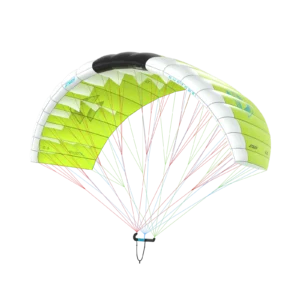
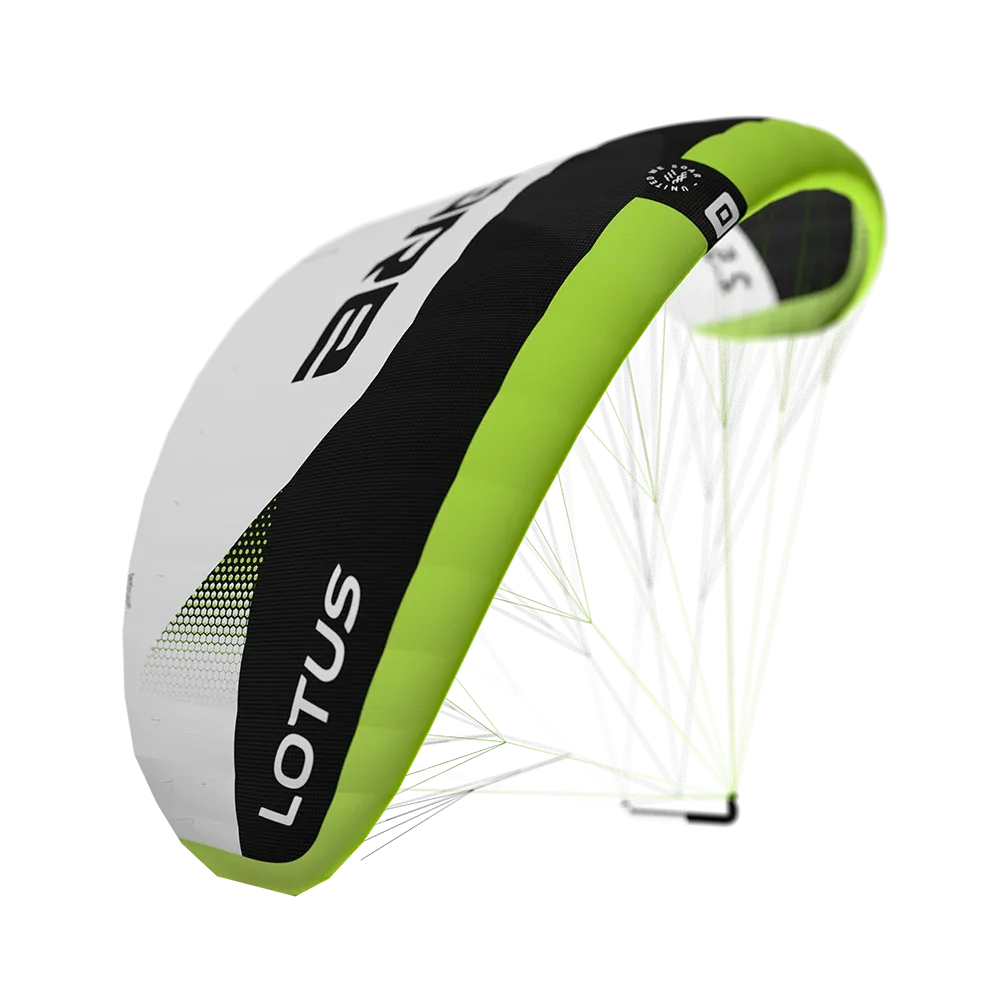
3D render of the Core Lotus parawing on a transparent background: neon green leading edge, black LOTUS stripe, white canopy
The Core Lotus as a packshot, neon green leading edge and black stripe · © Core
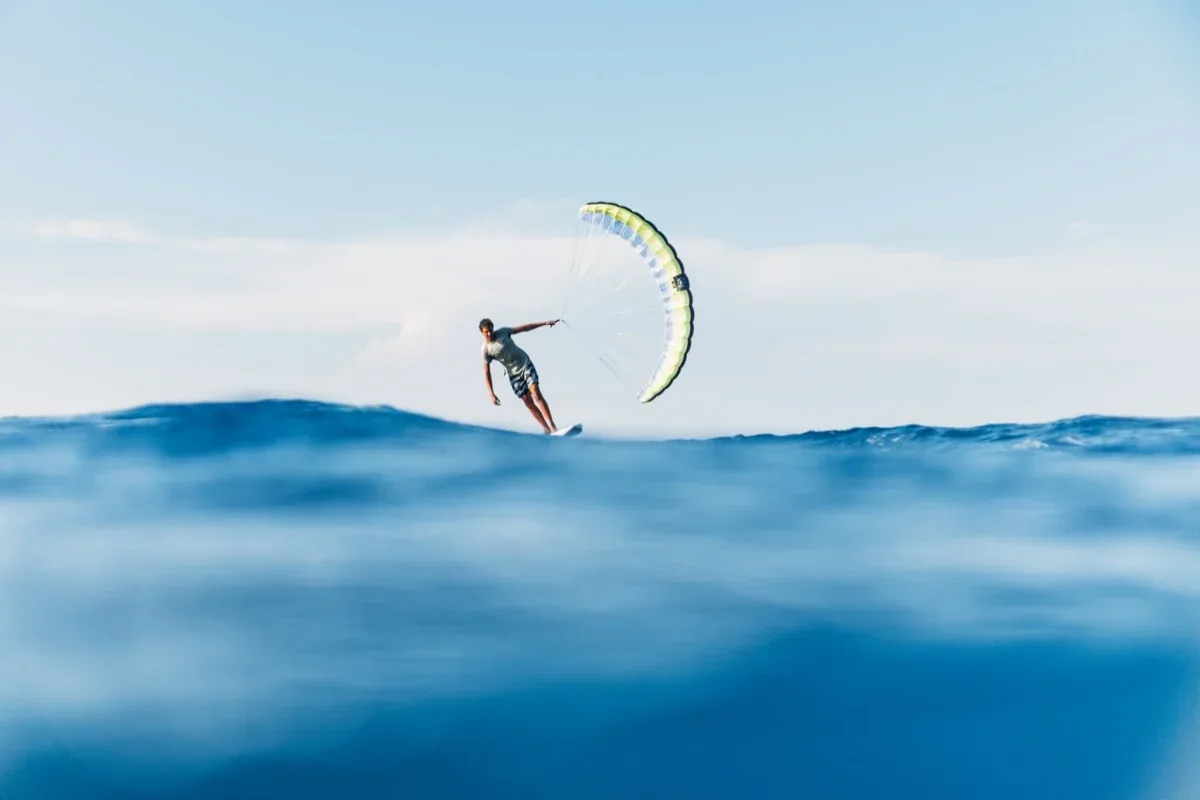
Rider on the crest of a wave, arm stretched toward a yellow-green Core Lotus parawing with white edges, seen from the water
The Core Lotus on the wave · © Core
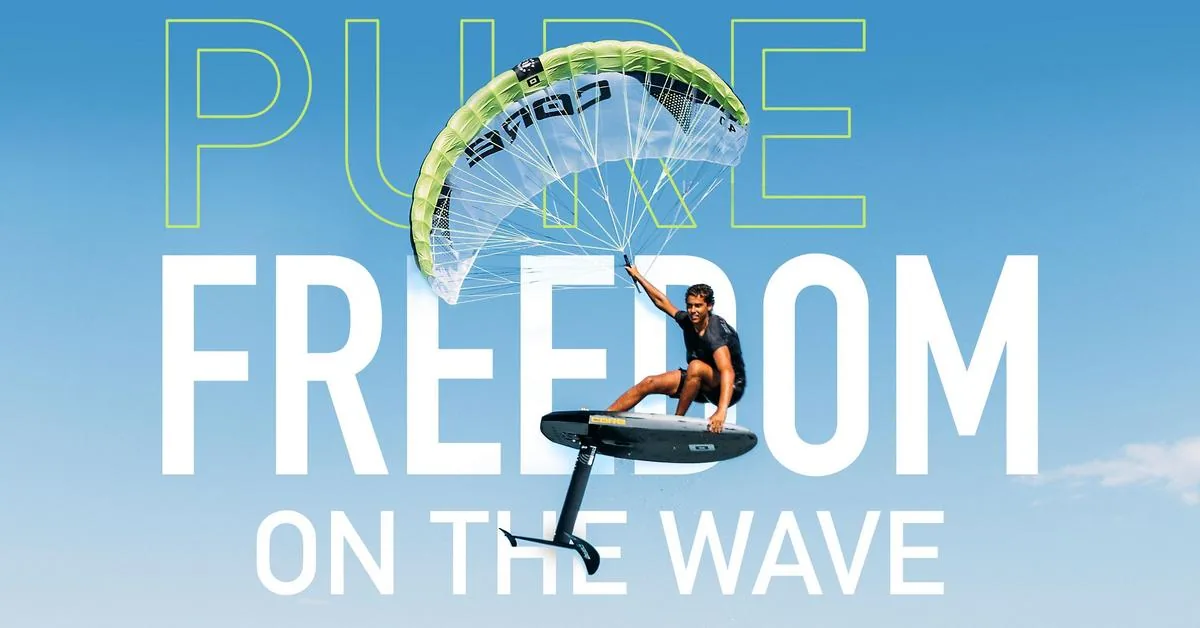
Rider crouching on a foilboard in flight, lime green and white Core Lotus parawing, slogan Pure Freedom on the Wave
The Core Lotus, “Pure Freedom on the Wave” · © Core
Core

Core Lotus parawing test

  • Riding styleParawing, wave, freeride
  • Sizes2.5 to 4.8 m²
  • Wind12 to 35 knots
  • YearModel 2026 · released Jul 2026

Verdict in brief

The Lotus is Core’s first parawing: single-skin with a high aspect ratio, four sizes from 2.5 to 4.8 m² centered on waves. The only published test, from The Inertia, is dry: very good upwind, but a bar that lacks leverage and a model a bit lost among the autumn’s performance parawings. Ben Beholz, a Core team rider, finds it has a wide wind range, better upwind performance than his other parawings and good behavior in gusts; his article is not an independent test. 25 years of kitesurfing have taught me to be wary of bars with no grip, but at this price I recommend it to get started, especially if your session revolves around waves.

One published test (The Inertia); the article by a Core team rider (Ben Beholz) and a video test (Gleiten.tv) are not counted; no rider review on WindUnity (checked on November 11, 2026). Reference rider weight for the wind ranges: n/a.

For you if

  • You want a first parawing for waves: Core intends it as an entry into the sport, Ben Beholz, a Core team rider, calls it simple and stable, even in gusts
  • You want to work upwind without multiplying your tacks: very good upwind for The Inertia, clearly better than his other parawings for Ben Beholz (Core team)
  • You want everything in the box: pre-assembled bar, harness line, backpack with a tool compartment, repair kit, parts available for six years

Not for you if

  • You want a bar that lets you pull on the A lines when you’re overpowered: The Inertia faults it for its lack of leverage, less of a problem than on the POW 2
  • You’re after the sharpest parawing of the season: The Inertia finds it a bit overshadowed by this autumn’s performance models
  • You’re looking for a big light-wind size: the 4.8 m² is aimed at heavy riders, not light wind, and only goes down to 12 knots

Have you ridden this model? Leave the first review

What we know about this model

Our method
  • Specificationschecked mid-November 2026
  • 1 test publishedThe Inertia, “The Best Parawings for Foiling / The Inertia Tested” (October 29, 2026): Core Lotus section read in full on November 11, 2026, size tested not specified
  • Rider reviewsgive yours, and it will appear here

Sizes, weight, wingspan and bar length

Sizes, weight, wingspan, wind range and bar length
SizeWind
2.5 m²21 – 35 knots
3.2 m²18 – 31 knots
4 m²15 – 27 knots
4.8 m²12 – 22 knots

Weight, wingspan and bar length: n/a.

More details on these figures

Core publishes no weight, no wingspan, no bar length and no reference rider weight: the size is chosen by wind and rider weight. Ben Beholz (83 kg, Core team rider) flies the 4.0 m² from 14 to 22 knots and recommends a parawing about 0.5 m² larger than the rider’s wing.

Strong points, weak points

Strong points

  • It goes upwind well: “great upwind, plenty of grunt” at The Inertia, a clearly better angle than Ben Beholz’s (Core team) other parawings
  • Four sizes cover 12 to 35 knots, and Ben Beholz’s (Core team) 4.0 m² holds from 14 to 22 knots at 83 kg
  • Stable in gusts and precise in the wind window (Ben Beholz, Core team); “top-tier” handling at The Inertia
  • Nitinol leading-edge battens: the shape returns on its own after stashing, according to Core
Weak points

  • Bar without much leverage on the A lines, the model’s weak point for The Inertia; better than the POW 2’s
  • No published weight: impossible to compare it in grams with the Quest, Stash or POW 2
  • A bit lost among the 2026 performance releases, says The Inertia
  • Nothing below 2.5 m²: above 35 knots, you need another parawing
  • Little track record: a single published test read, with no numeric wind range; the numeric ranges come from a Core team rider’s article, and there is no rider feedback

The flaw to know about. For me, its real flaw is the bar. The Inertia writes that it doesn’t give the same leverage on the A lines as others, less annoying than on the POW 2 but present. Core highlights a curved bar that makes it easier to get a grip when you’re overpowered: as I have no test of the bar alone, ask to handle it in a shop before ordering.

Specifications

11 specs, sources at the bottom of the page

Program (manufacturer)
Single-skin “allround” parawing centered on wave foiling: getting into the sport, stability, upwind performance, forgiving flight even in gusts (translated from German)
Construction
Single-skin with a high aspect ratio; nitinol battens in the leading edge; Coretex Light canopy in three materials (stiffer fabric at the front, lighter at the back); ribs with a reinforced coating; lines stiffer than on a kite, thicker at the bottom and thinner toward the top; line bridge that passes the center line above the bar
Sizes
2.5 / 3.2 / 4.0 / 4.8 m²; the 4.8 is aimed at heavy riders, not light wind
Wind range (knots)
2.5 m²: 21-35; 3.2: 18-31; 4.0: 15-27; 4.8: 12-22. Reference rider weight: n/a.
Weight
n/a (not published by Core)
Bar
Pre-assembled curved bar with harness line; length n/a
Wingspan
n/a (not published by Core)
Comes with
Pre-assembled bar, harness line, carry bag with tool compartment, repair kit, manual
Spare parts
All parts available worldwide for at least six years, with a Core guarantee
Colorways
Black and white in the Core shop (neon green leading edge in the visuals)
Release date
n/a: product page created in the Core shop on July 14, 2026, no official date

What the published tests say

1 test published, checked mid-November 2026

The Inertia, “The Best Parawings for Foiling / The Inertia Tested” (October 29, 2026)

Comparison guide from an American outlet that says it tested most parawings on the market. The Lotus, Core’s first parawing, “surprised us”: very good upwind, plenty of grunt, good handling, solid. The bar is its weak point: less leverage on the A lines, but less annoying than the POW 2’s, and the Lotus has a much better high end. A bit lost among the autumn’s performance parawings, but not one to rule out if you want a good all-rounder that goes upwind. Size tested not specified.

Read the test

Riders’ reviews

No reviews

No reviews yet.

Nobody has reviewed this gear yet. Do you use it? Help other riders of your weight — 2 minutes.

Leave your review (2 minutes)

Three screens: you, the gear, your review. Your email will never be published; it is only used to confirm that the review comes from a real person.

1/3 You

Only used to confirm your review and to let you know if it is rejected. Never displayed, never resold.

Your weight *

10 kg ranges only, so that other riders of your build can relate. No exact weight is recorded.

Your level *

Beginner: I’m still taking lessons. Intermediate: I ride on my own. Advanced: transitions and jumps. Expert: freestyle, wave or competition.

Your riding

Optional. If checked, your review stays published with the label “Gear received or tied to a brand” and doesn’t count toward the average rating.

You must be at least 15 to post a review (“Your data” article of the policy).

2/3 Your gear and how you use it
Wind range actually used (knots)
How long you’ve been using it *
Number of sessions (optional)
Rate each criterion (at least 3) *
Low-wind power
Stability / gusts
Steering & weight in hand
Handles & lines
Finish & durability

1 = very poor, 5 = excellent. Leave blank any criterion you couldn’t judge.

Do you recommend it? *
3/3 Your review

140 characters minimum — How it handles, its power and stability, what disappointed you, who you’d recommend it to.

Rider reviews: confirmed email address, no compensation. “Brand-linked” and “loaned / received” reviews are labeled and excluded from the average. Each review shows its publication date, the date of the experience and, if it was edited, its update date. A review is published or rejected within 7 days at most; if it is rejected, you receive the reason by email and you can correct it. You can complete or delete your review at any time from the email address used to submit it. How do reviews work?

Alternatives to compare

F-One Quest 2026

F-One’s entry-level parawing: eight sizes from 2.0 to 6.0 m². The Inertia makes it its beginner pick, with a wide wind range; the Lotus aims at getting into waves with only four sizes.

Duotone Stash 2026

Duotone single-skin for downwind and waves: six sizes from 2.2 to 5.6 m². The Inertia finds it solid, not a headliner, with a good high end but not among the best upwind, where it calls the Lotus “great upwind”.

Flysurfer POW 2 2026

Flysurfer single-skin: five sizes from 1.7 to 5.5 m². Plenty of grunt at the low end; The Inertia faults it for a bar that is worse than the Lotus’s and a worse high end.

Frequently asked questions

Which Core Lotus size should you choose?

Core’s ranges: 2.5 m² from 21 to 35 knots, 3.2 m² from 18 to 31, 4.0 m² from 15 to 27, 4.8 m² from 12 to 22; Core gives no reference rider weight. The 4.8 m² is aimed at heavy riders, not light wind. Ben Beholz (83 kg, Core team rider) flies the 4.0 m² from 14 to 22 knots, keeps the 3.2 m² for stronger days and advises adding about 0.5 m² to the size of your wing.

What is included with the Core Lotus?

The Core Lotus comes in four sizes: 2.5, 3.2, 4.0 and 4.8 m². Included are the pre-assembled bar, the harness line, the bag with a tool compartment, a repair kit and the manual. For the price, see the “Where to buy” section of this page.

Is the Core Lotus suitable for a beginner?

Core presents it as its entry-level parawing, with stable, forgiving flight. Ben Beholz, a Core team rider, recommends it to beginners and advanced riders alike, and The Inertia, the only published test, calls it solid and maneuverable. Neither puts a number on a learning curve: on the bar, which lacks leverage according to The Inertia, try it in your hands before deciding.

Are there any tests of the Core Lotus?

Only one published test, The Inertia’s (October 29, 2026), read in full. The article by Ben Beholz, a Core team rider (date not given), also read in full, is not counted as an independent test. Gleiten.tv (August 19, 2026) finds no detectable weakness, according to the verdict on its page. Tonic Mag published a video presentation on September 15, 2026. No rider review on Reddit yet.

Core Lotus or F-One Quest: which one should you take?

The Quest runs from 2.0 to 6.0 m², simple fallback. The Lotus, from 2.5 to 4.8 m², aims at getting into waves with a high aspect ratio. I’d start with the Quest if you want a big size for light wind, and with the Lotus if you want to go upwind and your spot is a wave spot.

Why does the Core Lotus have nitinol battens?

Core slid nitinol rods, an alloy used in paragliding, into the leading edge: the shape holds under load and returns on its own after stashing, which helps reopening. No test read verifies the claim.

Method and limitations of this page

This page brings together the technical specs, tests from the press and blogs, and rider feedback found on the web, without rewriting any of it. When WindUnity has ridden the gear itself, the page says so with the “WindUnity test” badge.

Rider reviews are published as is, with their date. Reviews tied to a brand or based on loaned gear are labeled and excluded from the average.

What’s still missing

  • Weight, wingspan, bar length and reference rider weight not published by Core
  • Core page in German (the English version no longer exists); texts translated.
  • Release date not given by Core: Core shop of July 14, 2026, Gleiten.tv test of August 19, 2026
  • Only one published test (The Inertia), size tested not specified
  • Ben Beholz’s article is undated, classed as content from a Core team rider (Core team page: “With CORE since: 2015”) without the article stating the partnership; Gleiten.tv test and Matthias Kaufmann’s video known only through their page (YouTube transcripts blocked)
  • No usable rider feedback found (r/wingfoil and r/Parawing, November 11, 2026)

Sources

Data collected mid-November 2026

Core : 2 product pages

Press and specialist sites : The Inertia, Gleiten.tv, Tonic Mag

Others : Ben Beholz

See the details of the 6 sources

Core

Press and specialist sites

  1. The Inertia, The Best Parawings for Foiling
  2. Gleiten.tv, Core Lotus Parawing Test 2026 (DE)
  3. Tonic Mag, Core Lotus parawing

Others

  1. Ben Beholz (Core team rider), Lotus Parawing