Skip to content
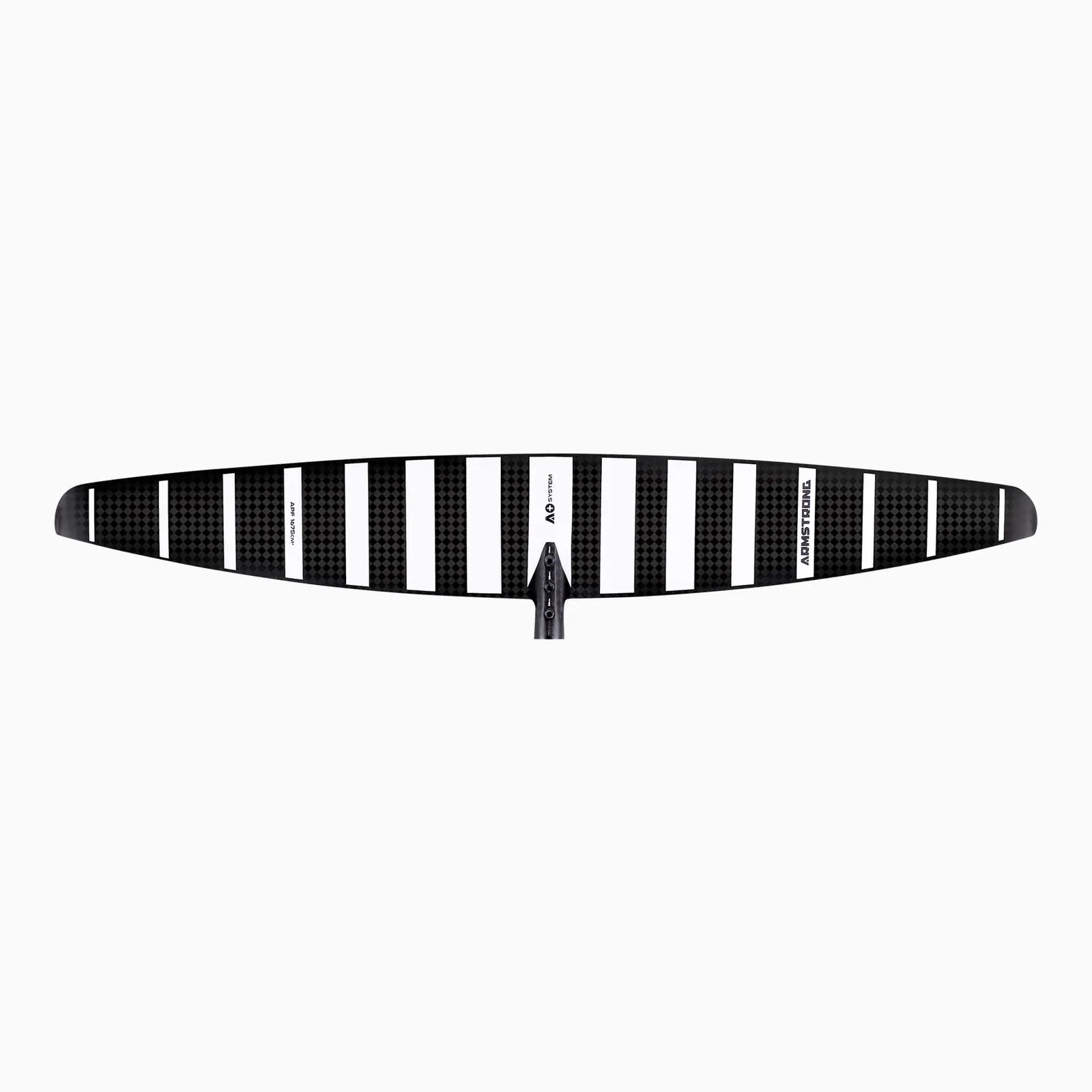
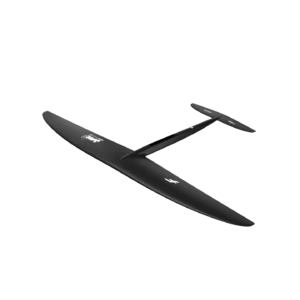
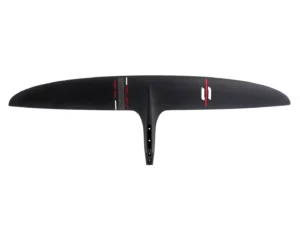
Armstrong APF carbon front wing, flat top view, on a white background
APF front wing, 1675 cm² size · © Armstrong
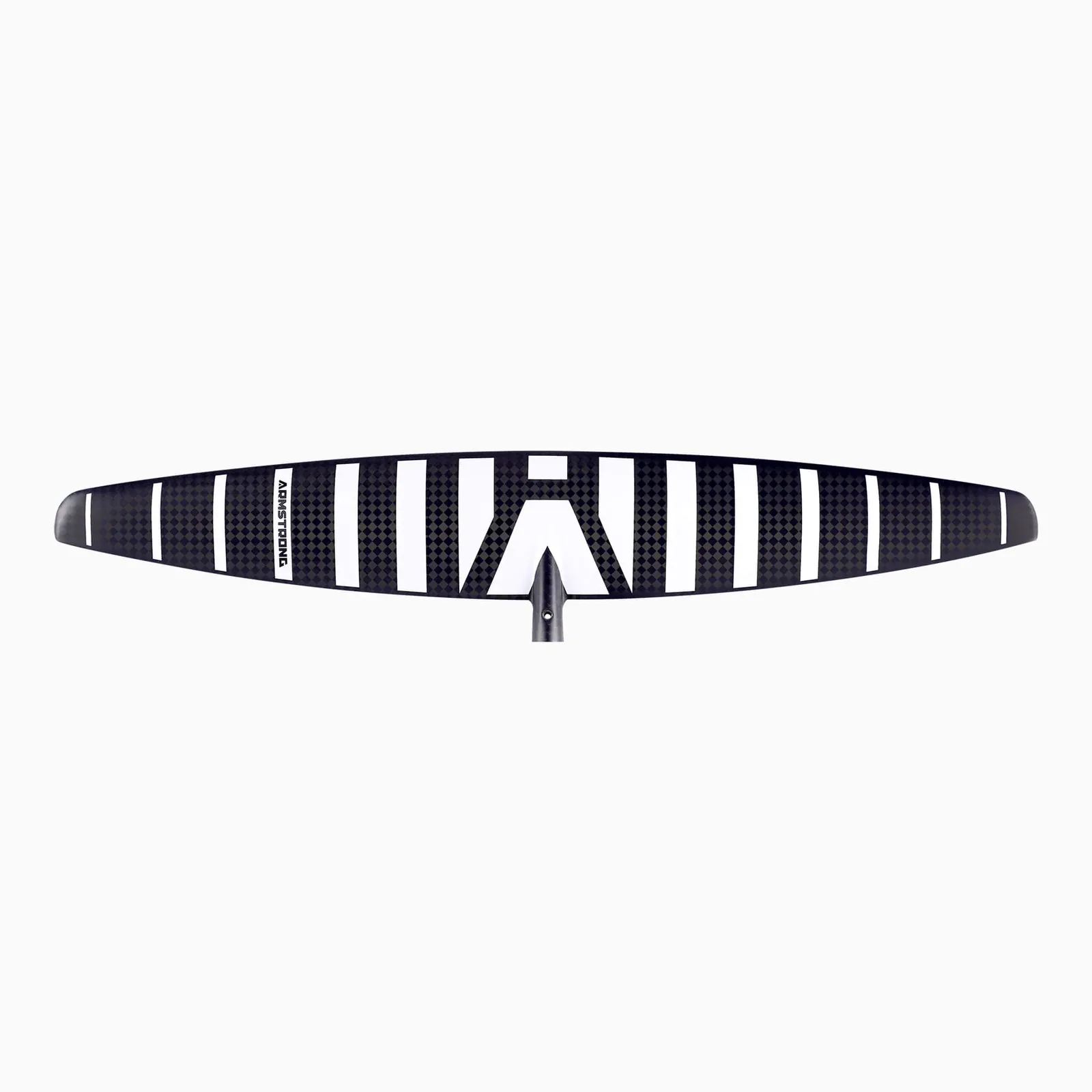
Armstrong APF carbon front wing, second top view, on a white background
APF front wing, 1675 cm² size · © Armstrong
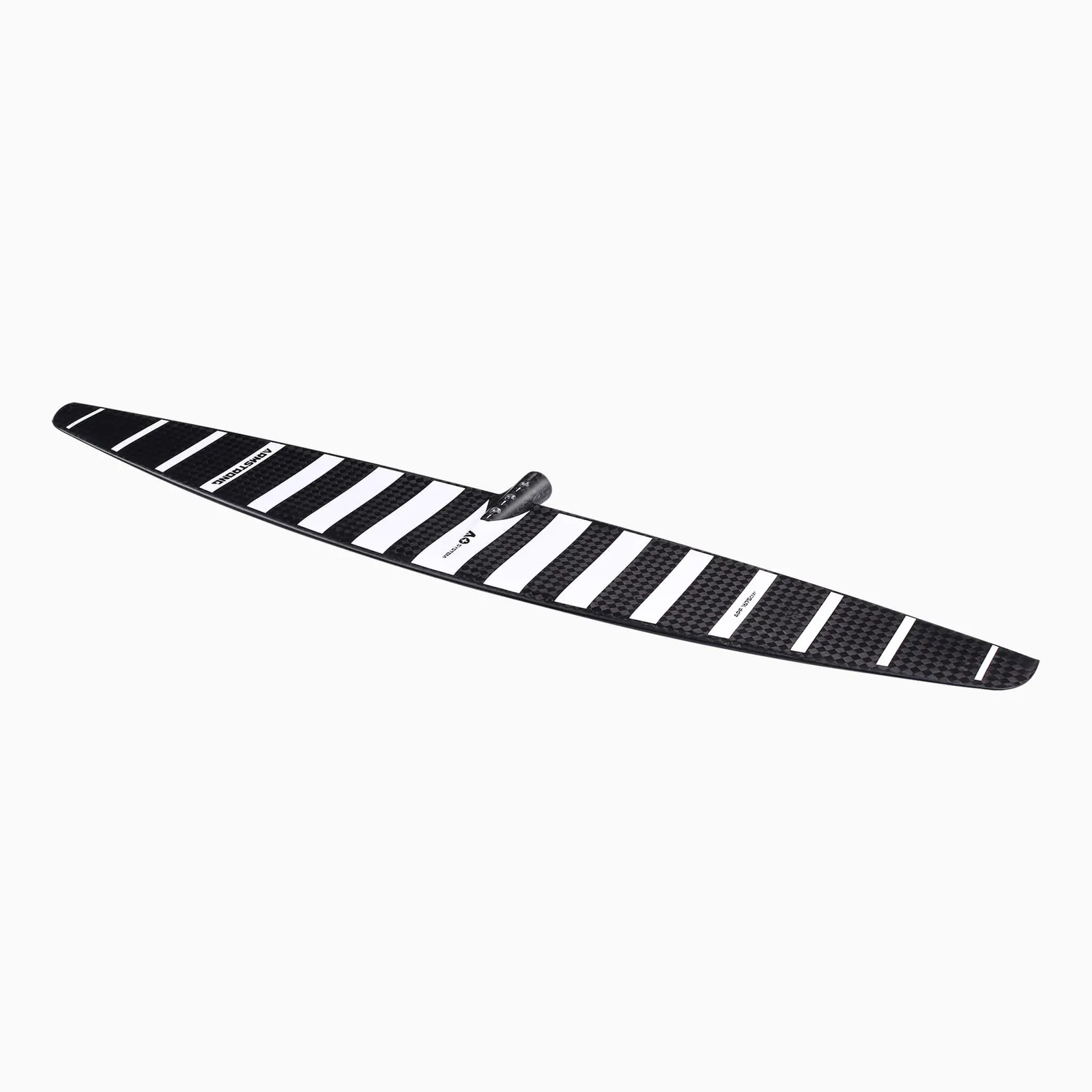
Armstrong APF carbon front wing, perspective view, on a white background
APF front wing, 1675 cm² size · © Armstrong
Armstrong

Armstrong APF Front Foil test

  • Riding stylePump foiling and dock start; downwind in light wind
  • Front wings1350 to 1880 cm²
  • Wingspan120.2 to 130.2 cm
  • Year2023

Verdict in brief

A low aspect ratio pump foil front wing (8.6 to 10.7), in three sizes (1350, 1675 and 1880 cm², from 1,230 to 1,530 g). The two published tests (Foiling Magazine on the 1880, Tonic Mag on the 1350) find a very low stall and easy pumping; the 1350 also serves as a light-wind downwind foil. I recommend it for pumping or for light downwind. I wouldn’t take it for wing foiling: I found no test of the APF in wing.

For you if

  • You want to pump on flat water and progress without tiring yourself out: Foiling Magazine finds the 1880 stable in pitch and the pumping natural, Tonic Mag pumped for 11 minutes straight on it
  • You want to learn downwind in light wind: Tonic Mag finds it faultless for that with the 1350, between 8 and 12 knots
  • You want to take off by paddling or from a dock without running: Foiling Magazine made its starts without picking up speed

Not for you if

  • You’re looking for speed and turning: Tonic Mag finds the 1880 lacking in glide and turning, and too draggy for the fun of pumping
  • You mostly wing foil or surf foil: Foiling Magazine warns that it doesn’t ride like a surf or wing foil, and no wing test exists
  • You want top speed in downwind on big swell: Tonic Mag says the 1350 doesn’t keep up fast enough with ground swell

Have you ridden this model? Leave the first review

What we know about this model

Our method
  • Specificationschecked early November 2026
  • 2 tests publishedFoiling Magazine (APF 1880, September 11, 2023), Tonic Mag (APF 1350, November 14, 2024)
  • Rider reviewsgive yours, and it will appear here

Front wings: sizes and mounting

Front wings: area, span, aspect ratio, stabilizer and mounting
SizeWingspanAspect ratioRecommended stabilizerWing attachmentWing weight
1350 cm²120,2 cm10,7Pump 202A+: 2 M6 screws of 28.5 mm, 2 M6 screws of 19.5 mm, 1 M6 barrel nut of 8 mm1230 g
1675 cm²120,2 cm8,6Pump 202A+: 2 M6 screws of 28.5 mm, 2 M6 screws of 19.5 mm, 1 M6 barrel nut of 8 mm1330 g
1880 cm²130,2 cm9,2Pump 202A+: 2 M6 screws of 28.5 mm, 2 M6 screws of 19.5 mm, 1 M6 barrel nut of 8 mm1530 g

Area, span, aspect ratio November 8, 2026. Pump 202 stabilizer; A+ screws supplied.

More details on these figures

Stabilizer: the Pump 202 is the one used in the tests and in the 1350’s presentation. The 1880’s aspect ratio (9.2) comes to 9.0 by calculation with 130.2 cm and 1880 cm²: Armstrong value kept as is. Profile thickness, area in inches and tightening torque not published.

Components and compatibility

Checked on 08/11/2026

Masts

Performance-X Carbon Mast

ultra-high-modulus carbon

Performance-X Carbon Mast
Longueur
72.5 cm
79.5 cm
86.5 cm
93.5 cm

Performance Mk II Carbon Mast

carbon · thickness 13.8 mm

Performance Mk II Carbon Mast
Longueur
72.5 cm
79.5 cm
86.5 cm
93.5 cm

Mk II Carbon Mast

carbon · thickness 15.8 mm

Mk II Carbon Mast
Longueur
65.5 cm
72.5 cm
79.5 cm
86.5 cm

Alloy Mast

aluminum

Alloy Mast
Longueur
58 cm
72 cm
85 cm

Fuselage

Titanium Core Fuselage (A+); also exists in Alloy, 65 and 75 cm · titanium core sheathed in carbon

Titanium Core Fuselage (A+); also exists in Alloy, 65 and 75 cm
Longueur
50 cm
60 cm
70 cm

Stabilisateurs

Surf Mk II

Surf Mk II
Surface
130 cm²
170 cm²
200 cm²

Dart 120

Dart 120
Surface
120 cm²

Dart 140

Dart 140
Surface
140 cm²

Speed 180

Speed 180
Surface
180 cm²

Glide 220

Glide 220
Surface
220 cm²

Flow 235

Flow 235
Surface
235 cm²

Pump 202

Pump 202
Surface
202 cm²

S1 300

S1 300
Surface
300 cm²

Masts, fuselages and stabilizers: lengths, weights not noted. The catalog doesn’t say which are recommended for this front wing, except for the stabilizer when it is cited.

Compatibility

Wing attachment
Armstrong’s A+ system, which assembles mast, fuselage, front wing and stabilizer. Screws supplied with the front wing: 2 M6 screws of 28.5 mm, 2 M6 screws of 19.5 mm and one M6 barrel nut of 8 mm in titanium, plus a protective cover. Tightening torque not published.
Stabilisateurs
The Pump 202 is the APF series stabilizer. Foiling Magazine tested the 1880 with it; Tonic Mag rode the 1350 with a Speed 180, a 70 cm fuselage and a Performance 795 mast.
Fuselage
Armstrong doesn’t publish a list of fuselages for the APF. A+ catalog: Titanium Core in 50, 60 and 70 cm, Alloy in 65 and 75 cm. Tonic Mag rode the 1350 on a 70 cm.
Masts
Armstrong doesn’t publish a list of masts for the APF. Foiling Magazine tested the 1880 with an “extra stiff” Performance 795 mast; Tonic Mag mounted the 1350 on a Performance 795. Armstrong catalog in A+: Performance-X, Performance Mk II, Mk II and Alloy.

Stated riding styles

Front wing
Armstrong page: maximum flight time, lift at very low speed and cruising efficiency, for pumping at a relaxed cadence. Foiling Magazine: pump foiling on flat water, personal bests, first steps in downwind on small bumps. Tonic Mag (1350): pump foiling and light downwind.
Summary
pump foiling · dock start · light downwind; no wing test

Strong points, weak points

Strong points

  • Three sizes from 1350 to 1880 cm², from 1,230 to 1,530 g, wingspan from 120.2 to 130.2 cm
  • Foiling Magazine (1880, September 11, 2023): lift from the slightest speed, dock starts without running, very stable in pitch
  • Tonic Mag (1350, November 14, 2024): very low stall, smooth pumping, maneuverable enough to be fun on flat water
  • High and intermediate modulus Toray carbon, A+ system and Pump 202 stabilizer designed for it; hardware and bag supplied
Weak points

  • Less speed than the high aspect ratio series: Foiling Magazine accepts that for learning the technique, Tonic Mag finds the 1880 draggy
  • Not a wing foil: no test in that discipline, and the 1880 is recommended to advanced pumpers under 90 kg or to heavier riders who are progressing
  • Little hindsight: one test on the 1880, one on the 1350, nothing independent on the 1675
  • Figures to verify: 130.2 cm on 1880 cm² gives an aspect ratio of 9.0, not 9.2; the 1350 and 1675 share the same wingspan (120.2 cm)

The flaw to know about. For me, its real flaw is speed: the more your role is glide, the less it is made for you, and Tonic Mag found the 1880 too draggy to have fun pumping. It also loses the race against ground swell. I couldn’t settle between the 1350 and the 1675: they have the same wingspan, and no test compares them.

Specifications

8 specs, sources at the bottom of the page

Program (manufacturer)
Pump foil, flight time; downwind in light wind (1350)
Sizes (area)
1350, 1675 and 1880 cm²
Wingspan
120.2 cm (1350), 120.2 (1675), 130.2 (1880)
Aspect ratio
10.7 (1350), 8.6 (1675), 9.2 (1880)
Weight
1,230 g (1350), 1,330 g (1675), 1,530 g (1880)
Construction
High- and intermediate-modulus Toray carbon
Mounting system
A+: 2 M6 screws of 28.5 mm, 2 M6 screws of 19.5 mm, 1 titanium M6 barrel nut of 8 mm; protective cover supplied
Armstrong availability
All sizes shown as “Sold out” on November 8, 2026

What the published tests say

2 tests published, checked early November 2026

Foiling Magazine, “Armstrong APF 1880”

The tester first notes lift from the first few centimeters of forward travel, a sign of a very low stall: dock starts and rock starts without running. It pumps from the front foot, stays surprisingly maneuverable for a pump wing, very stable in pitch, with a natural cadence. Speed is lower than that of the high aspect ratio series, which leaves room to work on pumping technique. On a downwind SUP board, lift is felt from the first paddle strokes, and it picks up the energy of small waves and wind bumps. Armstrong recommends the 1880 for advanced pumpers under 90 kg and for heavier riders who are progressing. Conclusion: a benchmark in efficiency and stability for pump foil.

Read the test
Tonic Mag, “Armstrong Foils APF 1350 2024” (issue 22)

The tester, who already had the 1880 (11 minutes of pumping on flat water), found it exceptional in efficiency but short on glide and turning, and a bit too draggy to be fun. The 1350 seemed fast enough to him to cover ground and maneuverable enough to be fun on flat water, with a very low stall. In small beach wind bumps, it turns well between the bumps but the ground swell is too fast for it. In a bay downwind race in light wind (8 to 10 knots), he finishes 43rd out of 100. He then does several runs in 8 to 12 knots. Conclusion: a very good light downwind foil, with limits on ground swell.

Read the test

Riders’ reviews

No reviews

No reviews yet.

Nobody has reviewed this gear yet. Do you use it? Help other riders of your weight — 2 minutes.

Leave your review (2 minutes)

Three screens: you, the gear, your review. Your email will never be published; it is only used to confirm that the review comes from a real person.

1/3 You

Only used to confirm your review and to let you know if it is rejected. Never displayed, never resold.

Your weight *

10 kg ranges only, so that other riders of your build can relate. No exact weight is recorded.

Your level *

Beginner: I’m still taking lessons. Intermediate: I ride on my own. Advanced: transitions and jumps. Expert: freestyle, wave or competition.

Your riding

Optional. If checked, your review stays published with the label “Gear received or tied to a brand” and doesn’t count toward the average rating.

You must be at least 15 to post a review (“Your data” article of the policy).

2/3 Your gear and how you use it
Wind range actually used (knots)
How long you’ve been using it *
Number of sessions (optional)
Rate each criterion (at least 3) *
Low-end takeoff
Speed & glide
Maneuverability (turns)
Pump
Finish & durability

1 = very poor, 5 = excellent. Leave blank any criterion you couldn’t judge.

Do you recommend it? *
3/3 Your review

140 characters minimum — Takeoff, glide, pump, what disappointed you, who you’d recommend it to.

Rider reviews: confirmed email address, no compensation. “Brand-linked” and “loaned / received” reviews are labeled and excluded from the average. Each review shows its publication date, the date of the experience and, if it was edited, its update date. A review is published or rejected within 7 days at most; if it is rejected, you receive the reason by email and you can correct it. You can complete or delete your review at any time from the email address used to submit it. How do reviews work?

Alternatives to compare

F-One Jam 2026

Another pump foil and dock start front wing. No test compares them.

Sabfoil Leviathan

Pump foil, dockstart and downwind in small swell. No test compares them.

AFS Enduro

All-round front wing for downwind, wing foiling, surf foil, dockstart and pump. More versatile, less pump-specialized than the APF.

Frequently asked questions

Armstrong APF: which sizes and what weight?

Three sizes: 1350 cm² (120.2 cm wingspan, aspect ratio 10.7, 1,230 g), 1675 (120.2 cm, 8.6, 1,330 g) and 1880 (130.2 cm, 9.2, 1,530 g). For the price, see the “Where to buy” section of this page.

What is included with the Armstrong APF?

The front wing alone, in sizes 1350, 1675 and 1880. The Pump 202 stabilizer is sold separately. For the price, see the “Where to buy” section of this page.

Which APF size to choose?

Armstrong recommends the 1880 for advanced pumpers under 90 kg and for heavier riders who are progressing (Foiling Magazine). The 1350 suits light riders who want to pump or learn downwind, or any rider who wants more speed than the 1675 (Foiling Magazine). I found no test of the 1675: it sits between the other two.

Which stabilizer and which mast with the APF?

The Pump 202 is the series’ stabilizer: Foiling Magazine tested the 1880 with it, and the 1350’s presentation says it was designed for it. Tonic Mag rode the 1350 with a Speed 180. Masts tested: Performance 795 in both cases; Armstrong publishes no other pairing.

Is the APF good for a beginner? What level?

For learning to pump, yes: the low stall and stability of the 1880 (Foiling Magazine) and the light downwind of the 1350 (Tonic Mag) point that way. But the brand recommends the 1880 to advanced pumpers under 90 kg, and I found no test in wing. I recommend it for pump foil, not for learning wing foiling.

What about used?

I found no reliable used price guide, so I don’t give one. To check: leading and trailing edges (impacts, cracks, delamination), play in the fuselage assembly, threads and A+ screws in good condition, Pump 202 stabilizer present. The 1675 and 1880 date from 2023 and the 1350 from 2024: there is no more recent version of the APF on armstrongfoils.com, so no model-year trap.

Method and limitations of this page

This page brings together the technical specs, tests from the press and blogs, and rider feedback found on the web, without rewriting any of it. When WindUnity has ridden the gear itself, the page says so with the “WindUnity test” badge.

Rider reviews are published as is, with their date. Reviews tied to a brand or based on loaned gear are labeled and excluded from the average.

What’s still missing

  • Two tests read (Foiling Magazine on the 1880, Tonic Mag on the 1350): nothing independent on the 1675, and no test in wing
  • No rider feedback found; the REAL page shows no reviews on November 8, 2026
  • Recommended rider weight per size (apart from the 1880 cited by Foiling Magazine), profile thickness, area in inches, tightening torque: not published by Armstrong
  • Aspect ratio of the 1880: 9.2 on the Armstrong page, 9.0 by calculation; 1350 and 1675 at the same 120.2 cm wingspan
  • All three sizes are sold out at Armstrong on November 8, 2026
  • Reviews posted on WindUnity: none

Sources

Data collected early November 2026

Shops : Surfshop.fr

Press and specialist sites : The Foiling Magazine, Tonic Mag

Others : Armstrong

See the details of the 5 sources

Shops

  1. SurfShop, Armstrong (prices)

Press and specialist sites

  1. Foiling Magazine, Armstrong APF 1880 test
  2. Tonic Mag, Armstrong APF 1350 test

Others