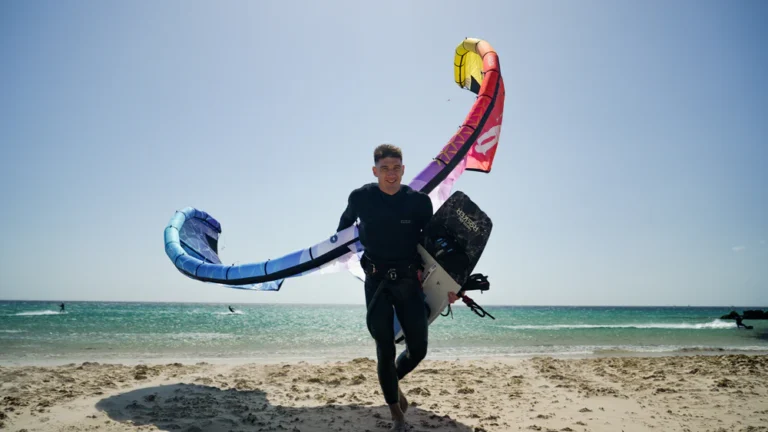
Jamie Overbeek joins Kitemana: the impact of an unprecedented partnership in the kitesurfing world
Key takeaways: Kitemana is becoming a key player in the kite industry. Jamie Overbeek is taking a financial risk by leaving F-One…
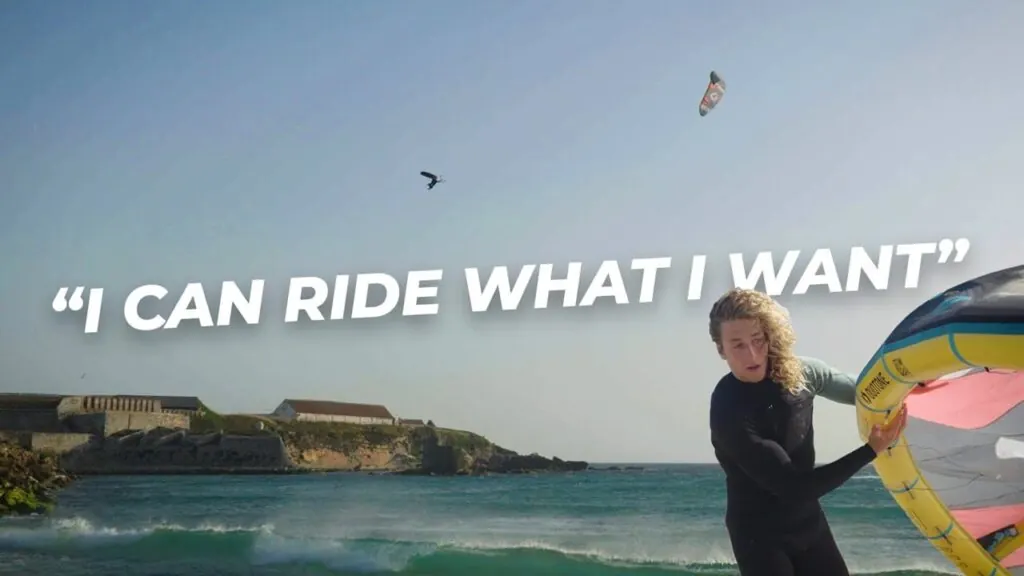
Key takeaways:
- Kitemana is becoming a key player in the kite industry.
- Jamie Overbeek is taking a financial risk by leaving F-One to join a shop.
- The freedom to choose your own gear is becoming a major asset for riders.
- Shops now have the option to sponsor riders just like brands do.
It’s a sign of the times, isn’t it? The best kiteboarders in the world are now turning to shops for their gear, instead of the traditional sponsor contracts with kite brands. Here’s why that could well change everything for the industry.
Shop deals aren’t just for the “small” riders anymore
There was a time when shop deals were reserved for those with no chance of landing a real sponsorship contract with a brand. Instructors, small influencers and lesser-known riders were often left out. Shops saw them as customers: 30% off, a few stickers, and just like that, a few extra sales. Everyone was happy: the rider felt sponsored, and the shop sold kites.
But everything changed when Ruben Len10, one of the biggest names in kitesurfing, left his post at Ozone to join Kitemana. By becoming the shop’s ambassador, he gave shops far greater visibility and showed that shops could play a much bigger role than people thought.
Shops are gaining power
Kitemana is now the biggest kitesurfing shop in the world, and that’s largely deserved. They succeeded by offering a very high-performing website with an aggressive pricing strategy, which let them cut prices and attract a massive customer base. On top of that, the Covid pandemic strongly boosted their sales, and brands overproduced, which pushed prices down and let Kitemana keep solid margins while still offering attractive deals to consumers.
The fact that riders like Ruben Len10 and now Jamie Overbeek choose to join Kitemana shows the shop’s very strong position. Instead of just chasing revenue, Kitemana invests in riders and in events. This shows the ambition of a shop that wants to become much more than a simple online shop.
Jamie Overbeek: taking a calculated risk
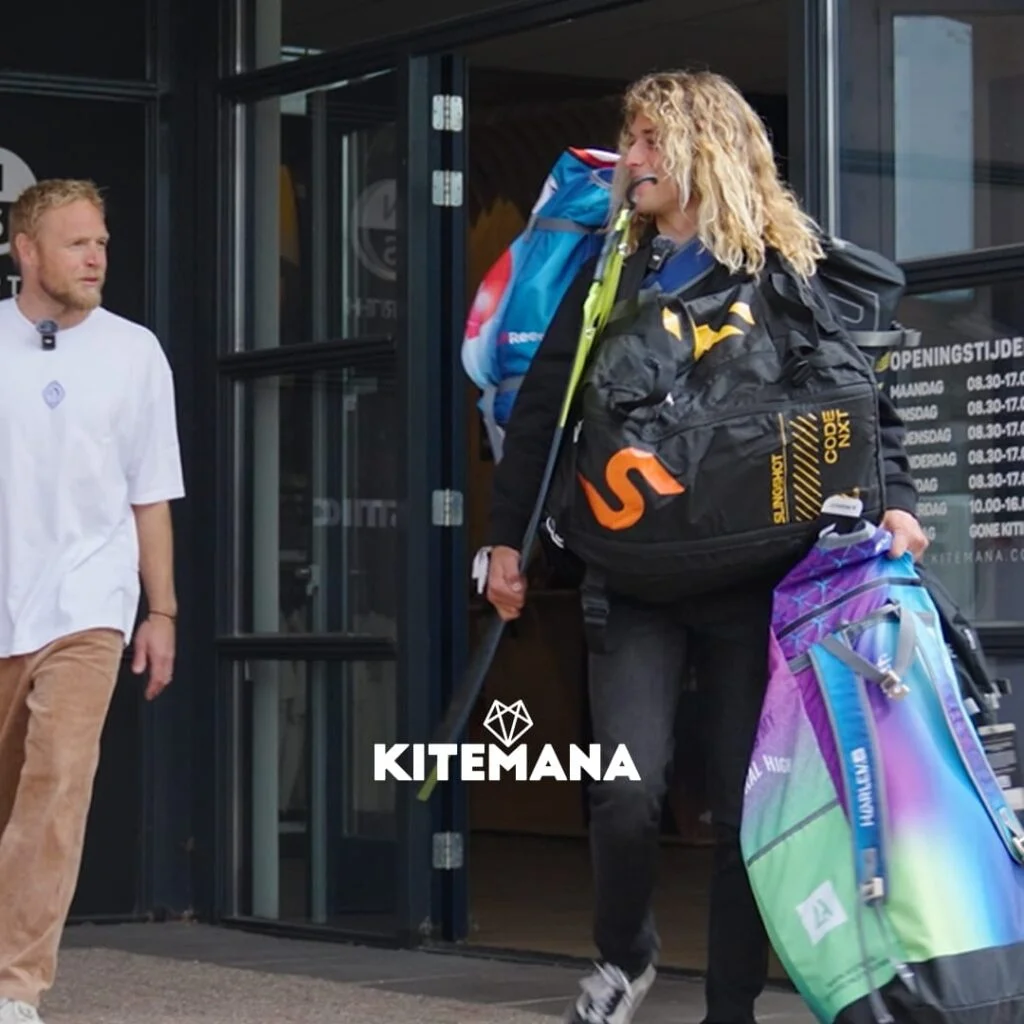
Jamie Overbeek has a contract with Kitemana. And it’s fair to say it’s a real gamble on his part. Why? Because he left F-One, a brand where he had a substantial salary, to join an online shop. And it’s no small thing: Jamie is giving up a comfortable salary, plus a travel budget, to end up with a much more limited budget. Which shows how much he believes in his abilities.
Jamie knows that to stay at the top level, he has to have the best possible gear, and that he has the freedom to choose what suits him best. And that, without being limited by a brand sponsor. He has shown he was ready to take financial risks in order to have total freedom in his choice of equipment.
Jamie’s quiver: performance first
We know it: Jamie is a meticulous rider. With his new partnership, he now has access to all of Kitemana’s gear. That means he’ll be able to test every model and choose the ones that suit him best. He no longer has to limit himself to a single brand. Which will give him a real competitive advantage. We’re betting he’ll go for the highest-performing gear, whatever the brand.
How his setup is evolving: the choice of bar and lines
An interesting aspect is that Jamie is known for his custom setup. He has always used an Ozone bar with custom lines, which he flew with his Harlem Force and the Duotone Evo D/Lab. It’s a safe bet that Jamie will keep adapting his equipment, and that’s what sets him apart: his attention to detail and performance in every aspect of his gear.
Leaving F-One: a blessing in disguise?
Let’s be honest, Jamie wasn’t satisfied with F-One’s Trigger Brainchild, which is surely what pushed him to leave. But here again, we have to admit that for other riders, the Trigger works very well. For example, Josh Gillitt finds it incredible. Which shows us once again that the choice of gear is very personal. What suits one rider won’t necessarily suit another. And that’s what makes every kite test unique.
What this changes for kitesurfing
At WindUnity, we see this development as a major turning point for the kitesurfing industry. Riders like Jamie Overbeek who leave the big brand names to join shops like Kitemana are changing the game. It shows that shops are no longer just retailers, but real players on the kite scene, able to support riders while offering them more freedom and attractive deals.
It’s clear that this trend could open up new possibilities for riders looking for independence from brands. But it also raises interesting questions about the future of classic partnerships in kitesurfing.
What do you think? Do you see this change in a positive light, or do you think brand sponsors remain essential for the future of the sport? Share your views in the comments, we’re curious to hear your take!
Related reading
News Aaron Hadlow joins Harlem KitesurfingBig news in the kitesurfing world: Aaron Hadlow, a kite legend, has joined Harlem Kitesurfing! For those who don’t know him yet…
 Wind, Jumps… and Champions: Lords of Tram 2025 Won Everyone OverThe Barcarès spot, swept by a furious Tramontane, once again served as the stage for one of the most spectacular events in…
 Spot Hunters: a must-visit surf shop in MontpellierLooking for the perfect board or quality kitesurfing gear in Montpellier? Spot Hunters is the go-to address for board sports enthusiasts. This…